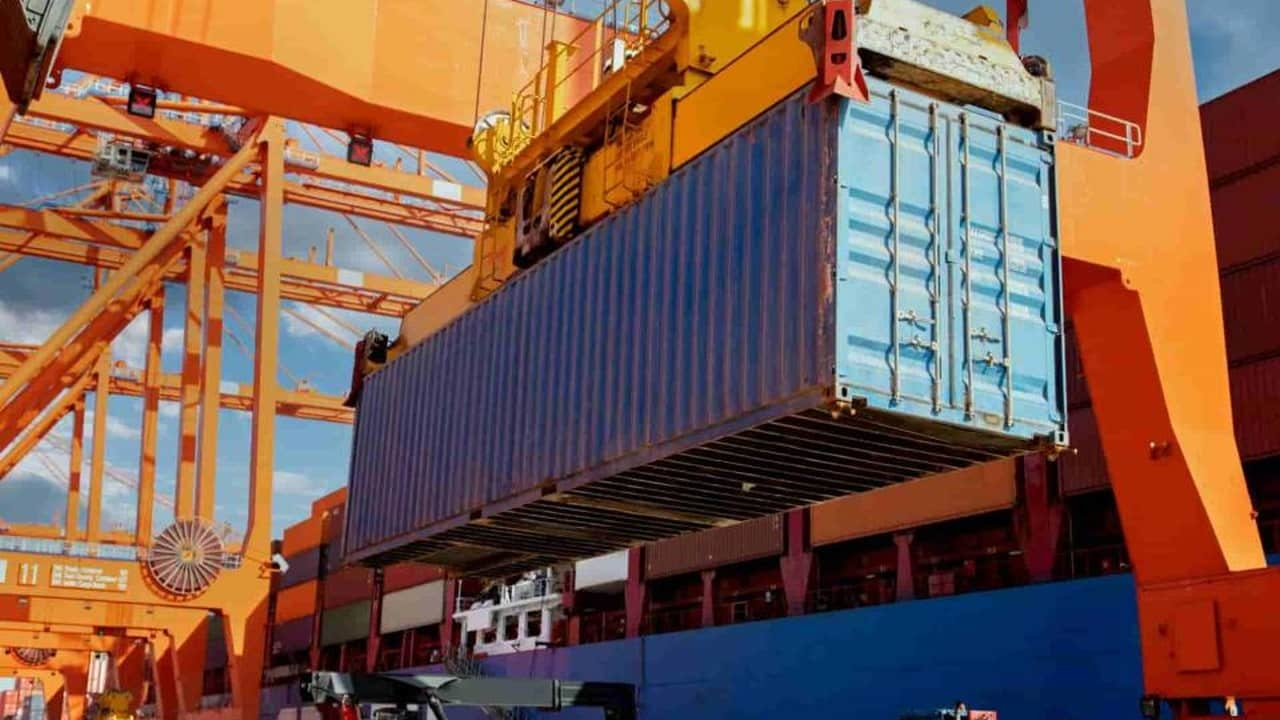
Mexico’s ports serve different purposes on the Pacific, Gulf, and Caribbean coasts. Manzanillo and Lázaro Cárdenas handle large container flows, while other ports move fuel, supply islands, support fishing fleets, or welcome cruise passengers. If you’re considering shipping from China to Mexico, this guide to 27 ports will help you understand what each port handles, which places it serves, and why container volume alone does not tell the whole story.
Explore the 27 ports
TogglePort of Manzanillo (MXZLO)
Address: Av. Teniente Azueta No. 9, Col. Burócrata, Manzanillo, Colima, C.P. 28250, México.
Mexico’s busiest container gateway connects Pacific shipping with Guadalajara, the Bajío, and central Mexico.
- Annual TEU: 3,893,357 TEU (2025).
- Main imports: Soybeans, oats, rapeseed, and barley.
- Main exports: Refrigerated perishable cargo.
- Main functions: Containers, mineral bulk, general cargo, and fuel.
- Main cities served: Manzanillo, Guadalajara, and inland central Mexican markets.
- Countries served: China, South Korea, Japan, Chile, Panama, and the United States appear in documented cargo flows.
- Port congestion: Truck traffic at city access roads and customs checks can delay cargo leaving the port.
- Port terminals: TEC I, TEC II, TIMSA, and OCUPA are separate facilities.
- Public port management: ASIPONA Manzanillo.
Port of Lázaro Cárdenas (MXLZC)
Address: Boulevard de las Islas No. 1, Col. Isla del Cayacal, Lázaro Cárdenas, Michoacán, C.P. 60950, México.
Containers and finished vehicles share this Pacific gateway, where rail links extend the port’s reach inland.
- Annual TEU: 2,616,770 TEU (2025).
- Main functions: Containers, vehicles, mineral bulk, general cargo, liquid bulk, and petroleum products.
- Main cities served: Lázaro Cárdenas and markets across the Bajío and central Mexico.
- Rail connection: Port rail links reach inland Mexico and routes toward eastern US markets.
- Vehicle traffic: About 804,221 vehicles were handled in 2025, counted separately from TEU.
- Public port management: ASIPONA Lázaro Cárdenas.
Port of Veracruz (MXVER)

Address: Av. Marina Mercante No. 210, 7º Piso, Col. Centro, Veracruz, Veracruz, C.P. 91700, México.
On the Gulf coast, Veracruz combines container and vehicle traffic with grain and other bulk cargo.
- Annual TEU: 1,299,337 TEU (2025).
- Main imports: Corn and other grains, fertilizers, scrap metal, petroleum coke, steel, machinery, and aluminum.
- Main exports: Steel pipes for the petroleum industry; vehicles move in both directions.
- Main functions: Containers, vehicles, grain, mineral bulk, general cargo, and liquid bulk.
- Main cities served: Veracruz, Puebla, Mexico City, Querétaro, and Guanajuato.
- Countries served: Trade connections include the United States, Canada, Europe, and Latin America; individual sailings vary.
- Rail access: Two rail systems support container and automotive movements.
- Logistics area: The northern expansion includes a large cargo and logistics zone.
- Public port management: ASIPONA Veracruz.
Port of Altamira (MXATM)

Address: Calle Río Tamesí Km. 0+800 Lado Sur, Col. Puerto Industrial, Altamira, Tamaulipas, C.P. 89603, México.
Altamira is an industrial port where petrochemical terminals matter as much as its container berths.
- Annual TEU: 887,101 TEU (2025).
- Main imports: Corn, soybeans, distillers grains, rice, wheat, and petrochemical feedstocks.
- Main functions: Containers, vehicles, petrochemical liquids, LNG, and agricultural and mineral bulk.
- Main cities served: Altamira, Tampico, Ciudad Madero, Monterrey, and the Bajío.
- Industrial link: Storage tanks and pipelines connect liquid terminals with nearby manufacturers.
- Vehicle traffic: About 475,437 vehicles were handled in 2025, separately from containers.
- Public port management: ASIPONA Altamira.
Port of Ensenada (MXESE)

Address: Blvd. Teniente Azueta No. 110, Col. Recinto Portuario, Ensenada, Baja California, C.P. 22800, México.
Ensenada brings container shipping, fishing, shipbuilding, and cruise calls together near the US border.
- Annual TEU: 427,499 TEU (2025).
- Main functions: Containers, agricultural and mineral bulk, oversized cargo, fishing, shipbuilding, and cruises.
- Main cities served: Ensenada, Tijuana, Tecate, and Mexicali.
- Port complex: Ensenada, El Sauzal, and Costa Azul are distinct areas under the same authority.
- Cruise facilities: The port plan identifies two cruise berths alongside cargo and fishing facilities.
- Public port management: ASIPONA Ensenada.
Port of Progreso (MXPGO)
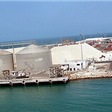
Address: Viaducto al Muelle Fiscal km. 2, Edificio S/N, Progreso, Yucatán, C.P. 97320, México.
Progreso’s long offshore pier reaches deeper water and gives the Yucatán Peninsula a maritime gateway.
- Annual TEU: 106,146 TEU (2025).
- Main imports: Corn, soybeans, wheat, rapeseed, computer equipment, resins, textiles, air conditioners, and fuel.
- Main exports: Frozen pork and chicken, honey, beer, vegetables, beverages, and clothing.
- Main functions: Containers, agricultural bulk, fuel, general cargo, and cruises.
- Main cities served: Progreso, Mérida, and other Yucatán Peninsula markets.
- Countries served: Documented cargo origins and destinations include the United States, Cuba, Brazil, Jamaica, China, and the United Kingdom.
- Inland connection: Cargo travels by road to Mérida before joining the regional rail network.
- Port congestion: Strong nortes and tropical storms can interrupt access or temporarily close the port.
- Public port management: ASIPONA Progreso.
Port of Tuxpan (MXTUX)
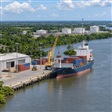
Address: Carretera a la Barra Norte Km. 6.5, Col. Ejido La Calzada, Tuxpan, Veracruz, C.P. 92880, México.
Tuxpan’s road connection to the Mexico City region distinguishes it from more distant Gulf ports.
- Annual TEU: 60,419 TEU (2025; sum of port authority monthly figures).
- Main functions: Containers, fuel and petroleum products, vehicles, and bulk cargo.
- Main cities served: Tuxpan, Mexico City, Puebla, and Hidalgo markets.
- Road connection: The port is roughly 281–285 km from Mexico City by road.
- Data scope: A private terminal’s throughput is not the whole port’s TEU.
- Public port management: ASIPONA Tuxpan.
Port of Tampico (MXTAM)

Address: Edificio API Tampico S/N, Recinto Portuario, Zona Centro, Tampico, Tamaulipas, C.P. 89000, México.
Tampico stretches along the Pánuco River and handles cargo linked to the surrounding industrial coast.
- Annual TEU: 36,732 TEU (2025).
- Main functions: Petroleum products, mineral bulk, general cargo, containers, and other liquid cargo.
- Main cities served: Tampico, Ciudad Madero, and Pánuco.
- River setting: The port area extends along both sides of the Pánuco River.
- Offshore industry: Construction and repair of offshore platforms distinguish its work.
- Public port management: ASIPONA Tampico.
Port of Mazatlán (MXMZT)
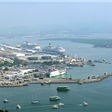
Address: Interior Recinto Fiscal S/N, Col. Centro, Mazatlán, Sinaloa, C.P. 82000, Mexico.
Cargo ships, cruise vessels, and ferries all use Mazatlán’s limited waterfront space.
- Annual TEU: N/A.
- Main functions: Vehicles, general cargo, containers, fuel, cruises, ferries, and fishing.
- Main cities served: Mazatlán, Sinaloa, Durango, and ferry destinations in Baja California Sur.
- Vehicle traffic: About 172,359 vehicles moved through the port in 2025.
- Ferry link: Passenger and vehicle services connect the mainland with the La Paz area.
- Port congestion: Limited truck staging space can spill traffic onto city roads.
- Public port management: ASIPONA Mazatlán.
Port of Coatzacoalcos (MXCOA)
Address: Interior del Recinto Fiscal Zona Franca S/N, Col. Centro, Coatzacoalcos, Veracruz, C.P. 96400, México.
Petroleum and petrochemical cargo define Coatzacoalcos, one end of Mexico’s cross-isthmus rail corridor.
- Annual TEU: N/A.
- Main functions: Petroleum products, petrochemicals, general cargo, and containers.
- Main cities served: Coatzacoalcos and industrial markets in southern Veracruz.
- Cargo scale: About 22.428 million tonnes moved through the port in 2025, mostly petroleum-related products.
- Rail connection: Line Z links Coatzacoalcos with Salina Cruz on the Pacific by rail.
- Public port management: ASIPONA Coatzacoalcos.
Puerto Chiapas (MXPMD)
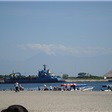
Address: Edificio Operativo, Recinto Fiscal S/N, Col. Puerto Madero, Puerto Chiapas, Tapachula, Chiapas, C.P. 30830, México.
Near the Guatemalan border, Puerto Chiapas combines regional cargo handling with cruise calls.
- Annual TEU: N/A.
- Main functions: General cargo, agricultural products, minerals, Ro-Ro traffic, and cruises.
- Cargo handled: Bananas, tuna, corn, wheat, and minerals feature among documented cargoes.
- Main cities served: Tapachula and southern Chiapas.
- Regional access: Road, rail, and a nearby airport connect southern Mexico with Central America.
- Code note: MXPMD is associated with the former Puerto Madero name; confirm booking codes with carriers.
- Public port management: ASIPONA Puerto Chiapas.
Port of Guaymas (MXGYM)

Address: Recinto Portuario Zona Franca S/N, Col. Punta Arena, Guaymas, Sonora, C.P. 85430, Mexico.
Mineral cargo connects this Gulf of California port with Sonora’s mines and inland markets.
- Annual TEU: N/A.
- Main functions: Mineral and agricultural bulk, general cargo, liquids, and containers.
- Main cities served: Guaymas and markets in Sonora, Chihuahua, and Arizona.
- Cross-border role: A documented historical movement sent Arizona copper concentrate through Guaymas to Asia.
- Mineral terminal: A specialized terminal was proposed; it should not be described as already operating.
- Public port management: ASIPONA Guaymas.
Port of Topolobampo (MXTPB)

Address: Acceso Parque Industrial Pesquero S/N, Topolobampo, Ahome, Sinaloa, C.P. 81370, México.
Topolobampo links mainland Mexico with Baja California Sur by ferry and moves bulk cargo inland.
- Annual TEU: N/A.
- Main functions: Ferries, Ro-Ro vehicles, fuel, grain, cement, minerals, and general cargo.
- Main cities served: Topolobampo, Los Mochis, La Paz, and inland Sinaloa markets.
- Ferry link: Regular service connects the port with Pichilingue near La Paz.
- Rail connection: Inland rail links reach Chihuahua and broader Mexican networks.
- Public port management: ASIPONA Topolobampo.
Port of Salina Cruz (MXSCX)
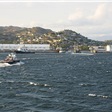
Address: Interior Recinto Fiscal S/N, Col. Cantarranas, Salina Cruz, Oaxaca, C.P. 70680, Mexico.
Salina Cruz is the Pacific end of a railway crossing the Isthmus of Tehuantepec.
- Annual TEU: N/A.
- Main functions: Fuel, general cargo, mineral and agricultural bulk, and developing container capacity.
- Main cities served: Salina Cruz and southern Oaxaca markets.
- Rail connection: Line Z connects the port with Coatzacoalcos on the Gulf coast.
- Domestic fuel: PEMEX facilities distribute fuel along Mexico’s Pacific coast.
- Development status: Planned container expansion differs from operating capacity.
- Public port management: ASIPONA Salina Cruz.
Port of Dos Bocas (MXDBT)
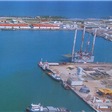
Address: Blvd. Manuel Antonio Romero Zurita No. 414, Col. Quintín Arauz, Paraíso, Tabasco, C.P. 86608, México.
Dos Bocas supports offshore energy work near Tabasco rather than functioning chiefly as a container hub.
- Annual TEU: N/A.
- Main functions: Oil-industry logistics, industrial equipment, and general cargo.
- Main cities served: Paraíso and other Tabasco energy-industry markets.
- Cargo scale: Total cargo was about 18.30 million tonnes in 2025, not a TEU figure.
- Offshore role: Vessels carry equipment and supplies for nearby Gulf operations.
- Code note: MXDBT corresponds to “Dos Bocas Terminal” in the location-code record.
- Public port management: ASIPONA Dos Bocas.
Port of Acapulco (MXACA)
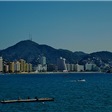
Address: Av. Costera Miguel Alemán S/N, Acapulco de Juárez Centro, Acapulco de Juárez, Guerrero, C.P. 39300, México.
Acapulco’s port has served cruise visitors and vehicle shipping on Mexico’s Pacific coast.
- Annual TEU: N/A.
- Main functions: Cruises and vehicle Ro-Ro handling.
- Main cities served: Acapulco and vehicle-production markets historically linked to Puebla and Morelos.
- Storm exposure: Hurricane Otis in 2023 made recovery and storm resilience important planning topics.
- Public port management: ASIPONA Acapulco.
Port of Puerto Vallarta (MXPVR)

Address: Blvd. Francisco Medina Ascencio Km. 4.5 S/N, Zona Hotelera Norte, Puerto Vallarta, Jalisco, C.P. 48333, México.
Close to Puerto Vallarta’s hotel district, this port focuses on cruise passengers and local tourism boats.
- Annual TEU: N/A.
- Main functions: Cruises and local marine tourism.
- Main cities served: Puerto Vallarta and the surrounding tourist area.
- Cruise berths: Three numbered berths shape vessel scheduling and passenger access.
- Visitor facilities: The port connects with the nearby Puerto Mágico visitor complex.
- Public port management: ASIPONA Puerto Vallarta.
Port of Cabo San Lucas (MXCSL)
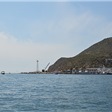
Address: Blvd. Paseo de la Marina No. 853, Col. Marina, Cabo San Lucas, Baja California Sur, C.P. 23450, México.
Cruise ships anchor offshore at Cabo San Lucas, then transfer passengers to shore by small boats.
- Annual TEU: N/A.
- Main functions: Cruise passengers, yachts, and marine tourism.
- Main cities served: Cabo San Lucas and nearby Los Cabos visitor areas.
- Passenger transfer: Tender boats bring cruise visitors ashore because large ships do not berth directly.
- Coastal setting: The port lies near the peninsula’s tip and the El Arco landmark.
- Public port management: ASIPONA Cabo San Lucas.
Port of Pichilingue (MXPIC)
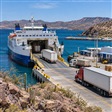
Address: Km. 17 Carretera a Pichilingue, Puerto Comercial, La Paz, Baja California Sur, C.P. 23010, México.
Pichilingue keeps La Paz supplied through mainland ferry links and general cargo services.
- Annual TEU: N/A.
- Main functions: General cargo, bulk cement, LPG, passenger ferries, and vehicle ferries.
- Main cities served: La Paz and other Baja California Sur communities.
- Mainland links: Ferries connect the La Paz area with Mazatlán and Topolobampo.
- Everyday supplies: The port carries goods used on the peninsula beyond international container trade.
- State port management: APIBCS.
Port of Cozumel (MXCZM)

Address: Cozumel port area, San Miguel de Cozumel, Quintana Roo, Mexico; cruise and ferry terminals have separate locations.
Cozumel’s cruise terminals and Playa del Carmen ferries serve different kinds of island travel.
- Annual TEU: N/A.
- Main functions: International cruises, passenger ferries, and island supplies.
- Main cities served: San Miguel de Cozumel and Playa del Carmen.
- Terminal layout: Punta Langosta, Puerta Maya, and SSA Mexico are separate cruise facilities.
- Passenger link: Ferries connect Cozumel with Playa del Carmen.
- Port management: APIQROO manages some facilities; cruise terminals have different operators.
Port of Puerto Morelos (MXPMS)
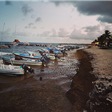
Address: Puerto Morelos port area, Puerto Morelos, Quintana Roo, Mexico.
Puerto Morelos handles Caribbean-side cargo for Cancún and the Riviera Maya, including refrigerated containers.
- Annual TEU: N/A.
- Main imports: Documented cargo from Florida includes hotel supplies, perfume, alcoholic beverages, and meat.
- Main functions: Containers, refrigerated cargo, general cargo, fuel, and Ro-Ro traffic.
- Main cities served: Puerto Morelos, Cancún, and Riviera Maya communities.
- Inspection facilities: Customs and animal and plant inspection points support imported cargo.
- Access limits: Shallow channel water and nearby urban roads restrict vessel and landside operations.
- Port management: APIQROO manages relevant facilities.
Port of Seybaplaya

Address: Carretera Campeche–Champotón Km. 176, Col. Payucán, Punta Morritos, Seybaplaya, Champotón, Campeche, México.
Seybaplaya provides a shore base for offshore energy and industrial work in Campeche.
- Annual TEU: N/A.
- Main functions: Offshore oil-and-gas supplies, industrial logistics, and general cargo.
- Main cities served: Seybaplaya, Champotón, Campeche, and the Sonda de Campeche offshore area.
- Berth layout: Working platforms have different water depths, affecting vessel choice.
- Port scale: The authority lists about 37 hectares of land and 806 m of berthing frontage.
- State port management: APICAM.
Port of Ciudad del Carmen

Address: Calle 26 por 5 Sur S/N, Col. Puerto Pesquero, C.P. 24159, Ciudad del Carmen, Campeche, México.
Once a fishing port, Ciudad del Carmen now specializes in supplying offshore oil-and-gas platforms.
- Annual TEU: N/A.
- Main functions: Offshore personnel transfers, equipment, spare parts, and supplies.
- Main cities served: Ciudad del Carmen and the Sonda de Campeche offshore area.
- Industry cluster: The authority reports more than 100 specialized offshore-service companies nearby.
- Access limits: An 18 km approach channel and roughly 4.5 m working depth constrain vessel size.
- State port management: APICAM.
Port of Santa Rosalía

Address: Santa Rosalía port area, Mulegé, Baja California Sur, Mexico.
Breakwaters shelter Santa Rosalía’s small harbor, where ferries and local cargo share limited space.
- Annual TEU: N/A.
- Main functions: Ferries, general cargo, small fishing vessels, and yachts.
- Main cities served: Santa Rosalía, Mulegé, and northern Baja California Sur communities.
- Harbor layout: A northeastern breakwater and southern guide wall protect the basin.
- Shared facilities: Multipurpose and ferry berths serve different traffic.
- State port management: APIBCS.
Port of Puerto San Carlos

Address: Puerto San Carlos port area, Comondú, Baja California Sur, Mexico.
Fishing boats land their catch at Puerto San Carlos before it moves into local processing.
- Annual TEU: N/A.
- Main functions: Fish landings, processing supply, fuel, small-scale bulk cargo, and nature tourism.
- Main cities served: Puerto San Carlos, Ciudad Constitución, and Comondú.
- Main catch: Sardines and tuna are among the fish landed in this area.
- Natural shelter: Bahía Magdalena protects the harbor from the open Pacific.
- Berth layout: A multipurpose pier and separate fuel-unloading facility serve different activities.
- State port management: APIBCS.
Port of Punta Sam

Address: Punta Sam port area, Municipality of Isla Mujeres, Quintana Roo, Mexico.
Vehicles and cargo drive onto ferries at Punta Sam to reach Isla Mujeres.
- Annual TEU: N/A.
- Main functions: Vehicle and cargo ferries, Ro-Ro loading, and small tourism boats.
- Main cities served: Isla Mujeres and northern Cancún.
- Terminal layout: The southern pier handles vehicle and cargo ferries; the northern pier serves smaller boats.
- Island supplies: Ro-Ro movements show why TEU does not capture this port’s main role.
- Port management: APIQROO.
Port of Puerto Juárez

Address: Puerto Juárez port area, Cancún, Quintana Roo, Mexico.
Puerto Juárez is a passenger departure point between Cancún and Isla Mujeres.
- Annual TEU: N/A.
- Main functions: Passenger ferries and marine excursions.
- Main cities served: Cancún and Isla Mujeres.
- Passenger connection: Its traffic differs from the vehicle and cargo ferries at Punta Sam.
- Port management: APIQROO.