
Our Partner




















Shipping from China to Argentina: Early Preparation to Reduce Delay Risks
- GWT helps reduce Argentina shipping delays before your cargo leaves China
- GWT specialises in LCL cargo consolidation, warehousing and supplier coordination for your multi-supplier shipments
- We tailor sea freight, air freight and DDP shipping solutions for Argentina based on your cargo volume, delivery time, and supplier arrangement
- Early document review, cargo inspection, and loading preparation help you reduce the extra customs and port risks in Argentina
Shipping Options Used for Argentina Imports
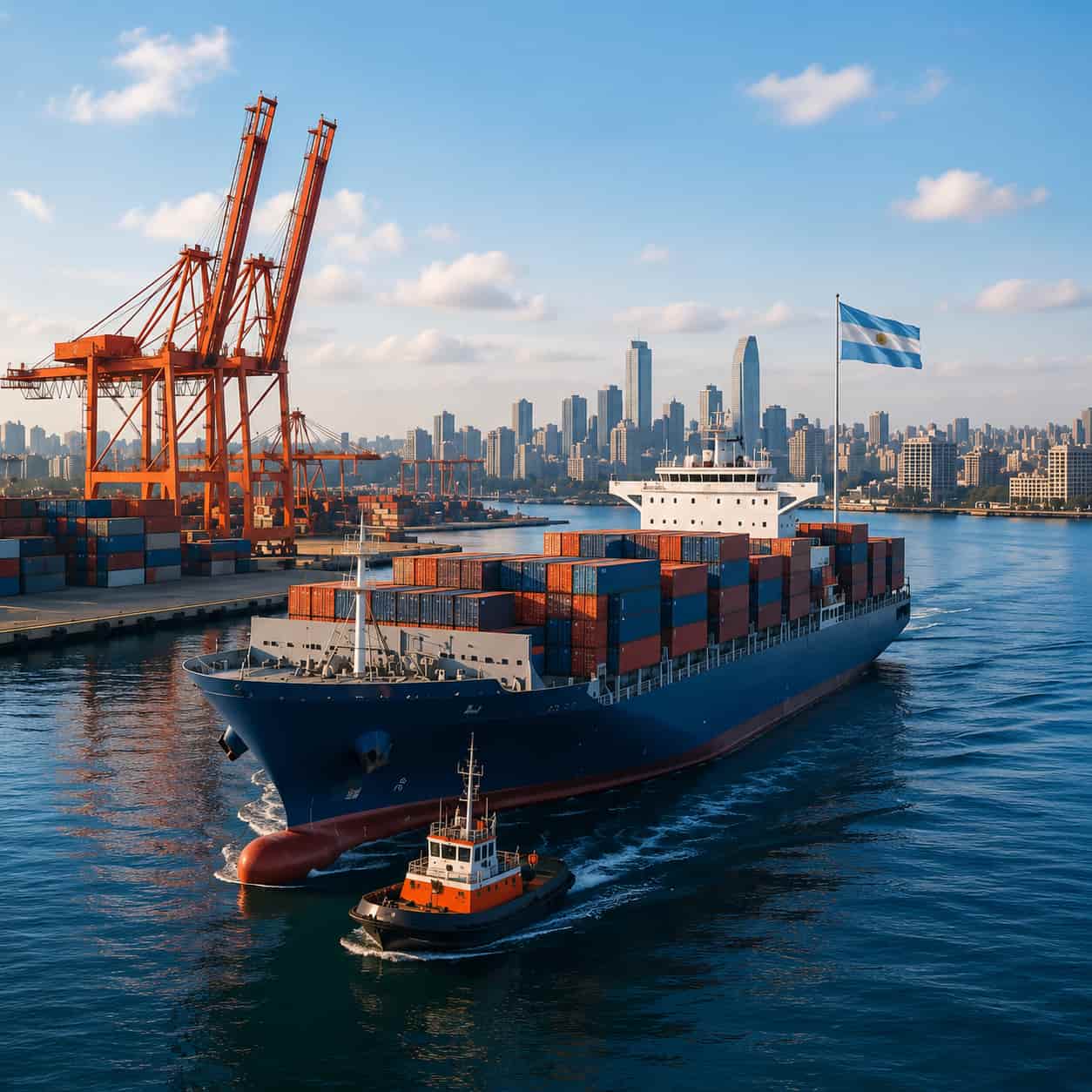
You can FCL or LCL shipping from China to major ports in Argentina, including Buenos Aires, Rosario, and Zárate.
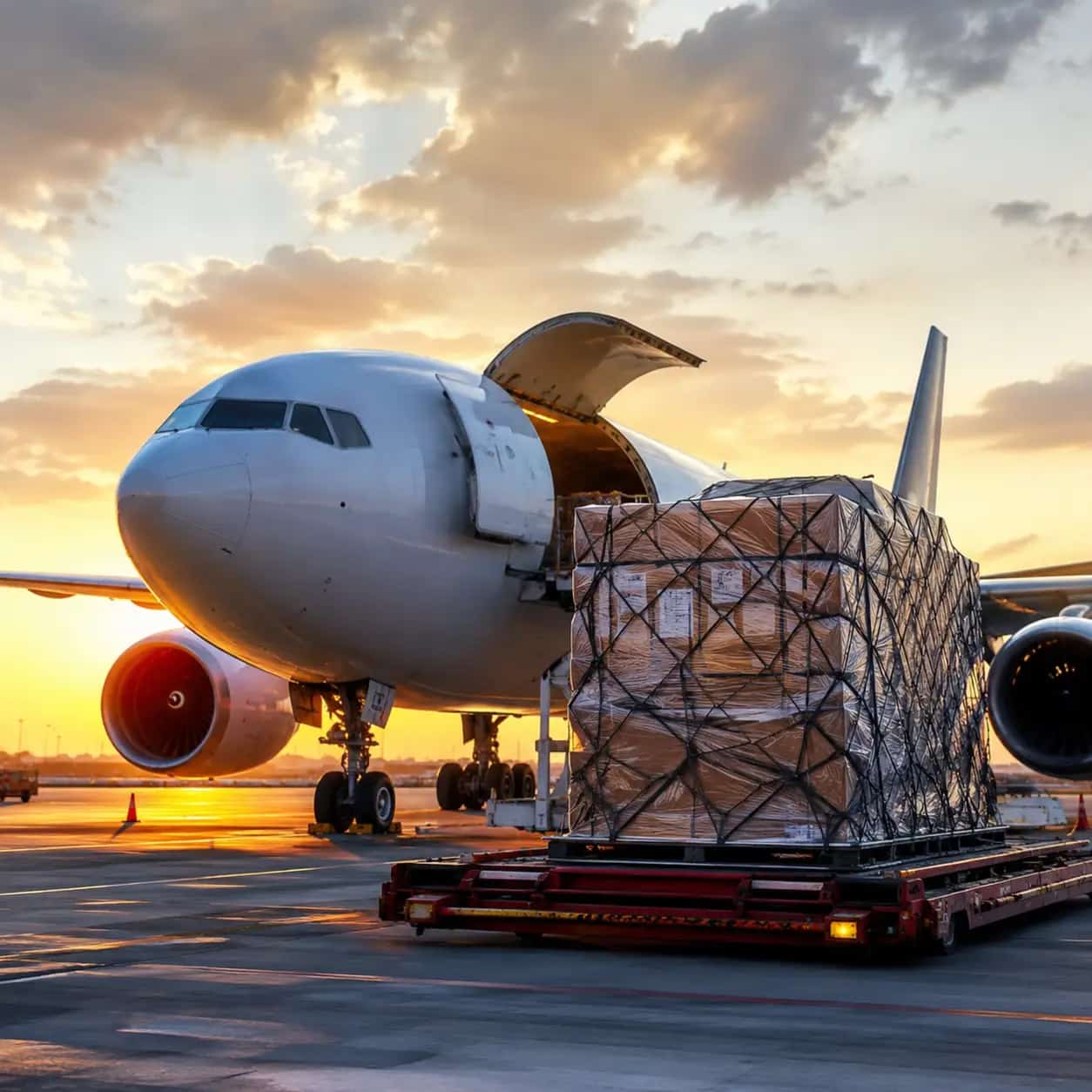
Ship your cargo from China to Ezeiza International Airport (EZE) in Argentina via fast and reliable air freight services.

A simpler option when you prefer not to separately manage customs clearance and local delivery.

You can use Express to send samples, small spare parts, urgent business documents, or lightweight commercial cargo.
Manage Your DDP Shipments From China to Argentina

We carefully check your product name, HS CODE and the factory cargo readiness date in advance.

We arrange cargo pickup based on each supplier’s production progress to keep warehouse waiting time within 24 hours.

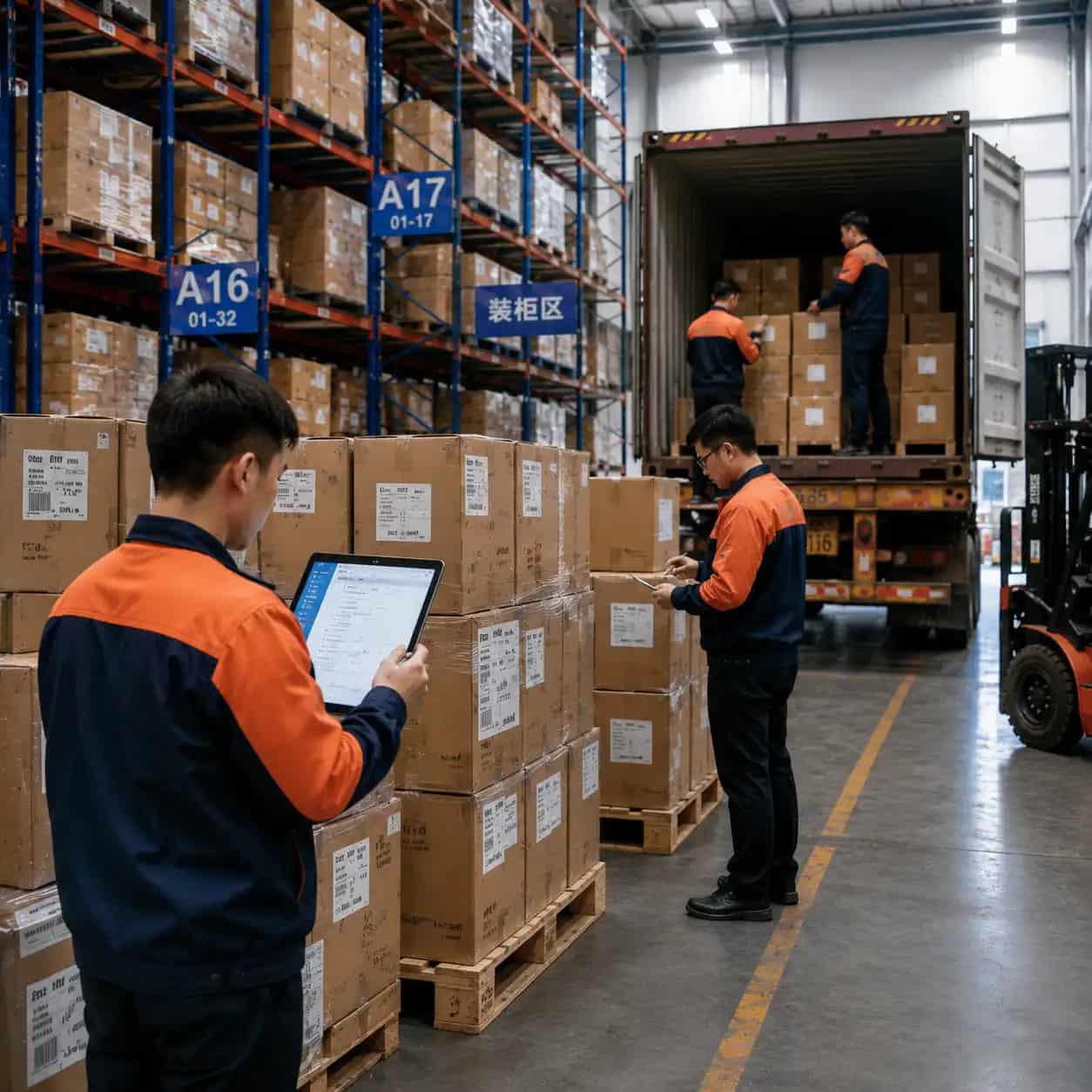
Before shipment, our warehouse team carefully inspects the outer packaging and verifies each SKU individually.

Match the unified product names with the HS CODE matching documents to speed up the customs clearance process in Argentina.
Based on the time requirements, cargo volume, and delivery deadlines, we help you finalise an ocean shipping, air shipping or express delivery plan.

Our team follows up with shipping lines, airlines and provides updates at each step to give you a clear view of the shipping process.

We prepare customs documents in advance, calculate duties and taxes to speed up your cargo clearance.

We coordinate the final delivery schedule and arrange trucking to your designated address.
Keeping Your Argentina Shipments on Schedule
Argentina customs clearance delays often start before the container even leaves China, especially when cargo is sourced from multiple suppliers across different cities in China.
However, GWT helps you reduce shipping risks before the port. Our team coordinates directly with your suppliers, follows up on production schedules, inspects cargo information, and arranges consolidation based on actual cargo readiness.
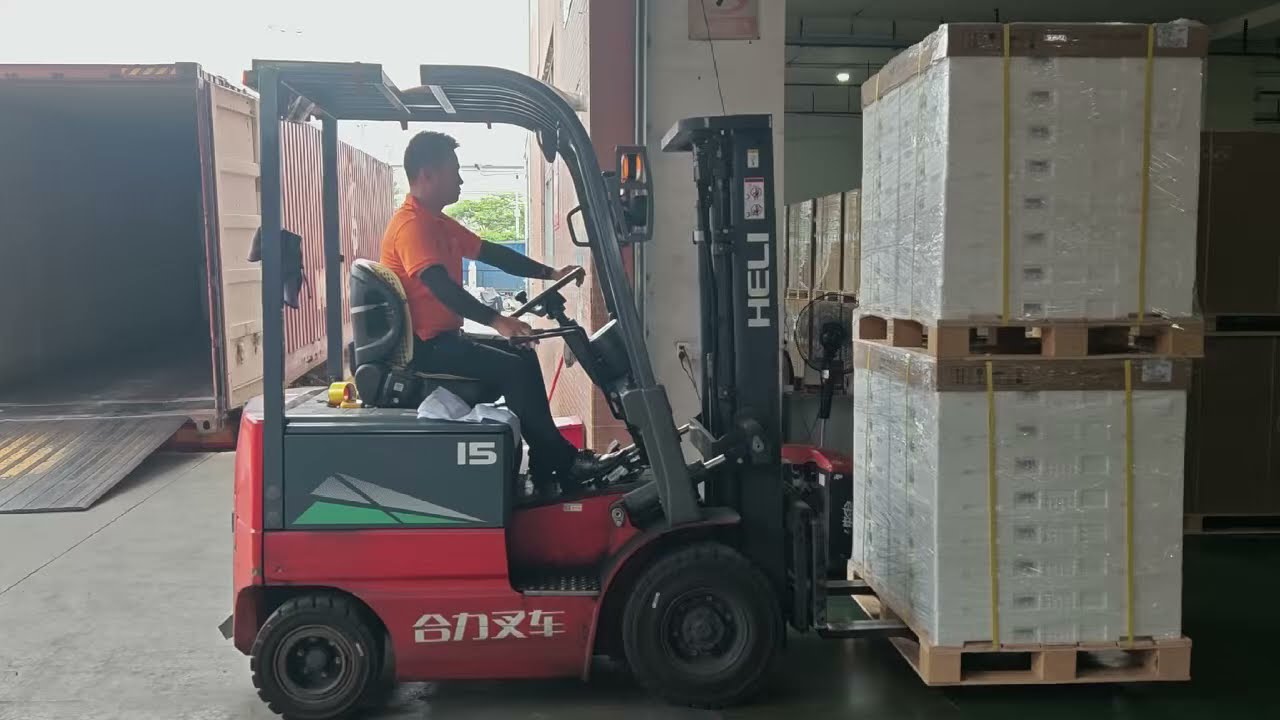
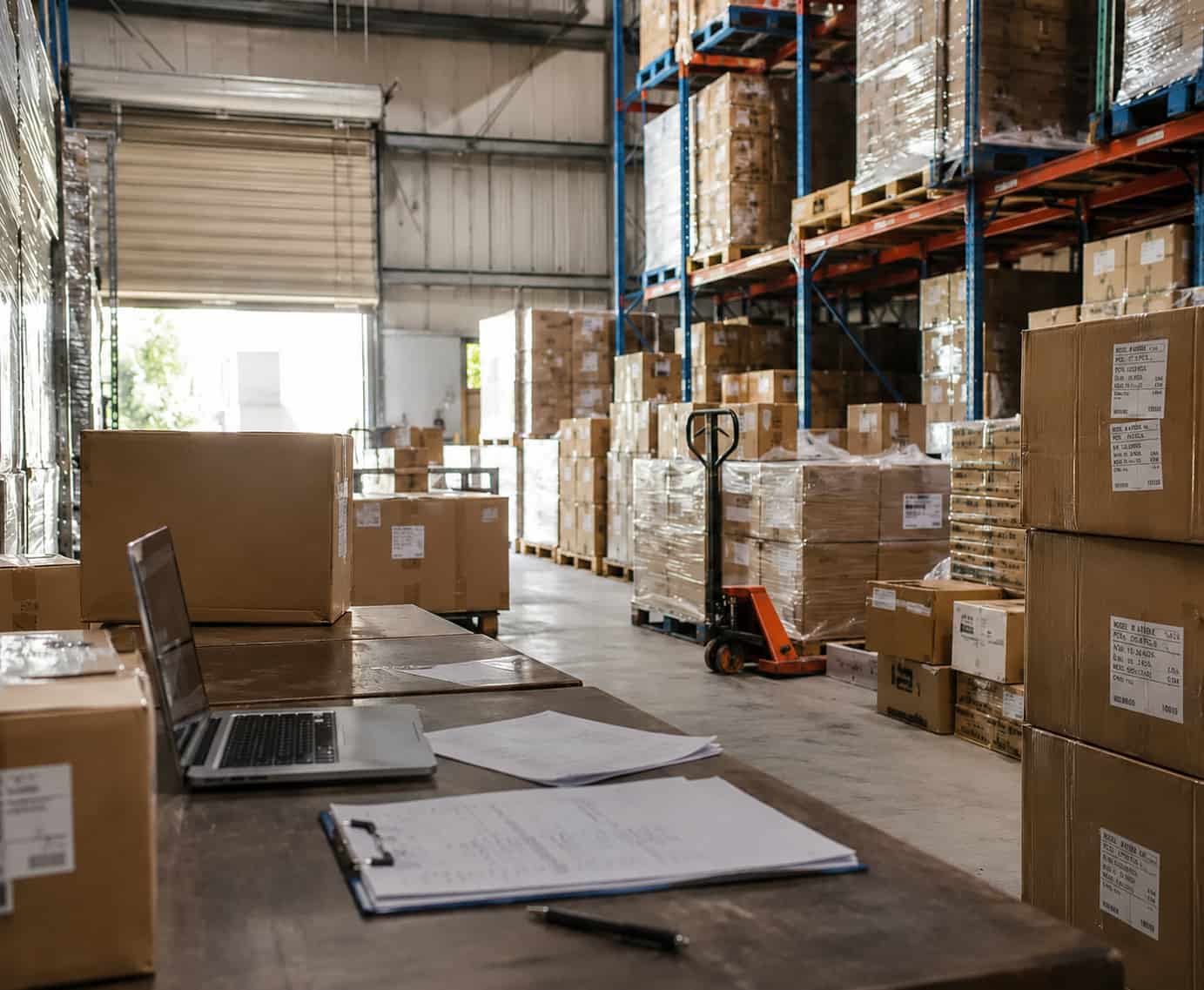
By using GWT’s warehousing and cargo consolidation services, we help you receive goods from different cities to ensure all cargo can be collected before loading. Your cargo will be classified, labeled, and inspected in our warehouse to reduce SKU errors and cargo mix-ups. Before departure, complete customs documents will be prepared to ensure a smooth shipment of your cargo from China to Argentina.
Reduce Hidden Costs
After working on the Argentina route for many years, we have found that many additional costs are not caused by the shipping itself. Some minor differences, such as product names, HS codes, and inaccurate documents, may bring you additional customs clearance and storage costs. In addition, document amendment fees and extra handling charges in Argentina are also worth your attention.
So instead of choosing the cheapest freight rate, you should first look for an experienced and reliable China shipping agent to lower your additional logistics costs and reduce customs clearance delays in Argentina. GWT is experienced with customs clearance processes in both China and Argentina. We review cargo details, check shipping documents, and confirm product descriptions before shipment. This helps you reduce avoidable errors, minimize unexpected port charges, and improve overall cost efficiency for shipments from China to Argentina.
Ship from China to Argentina: Real Shipping Cases
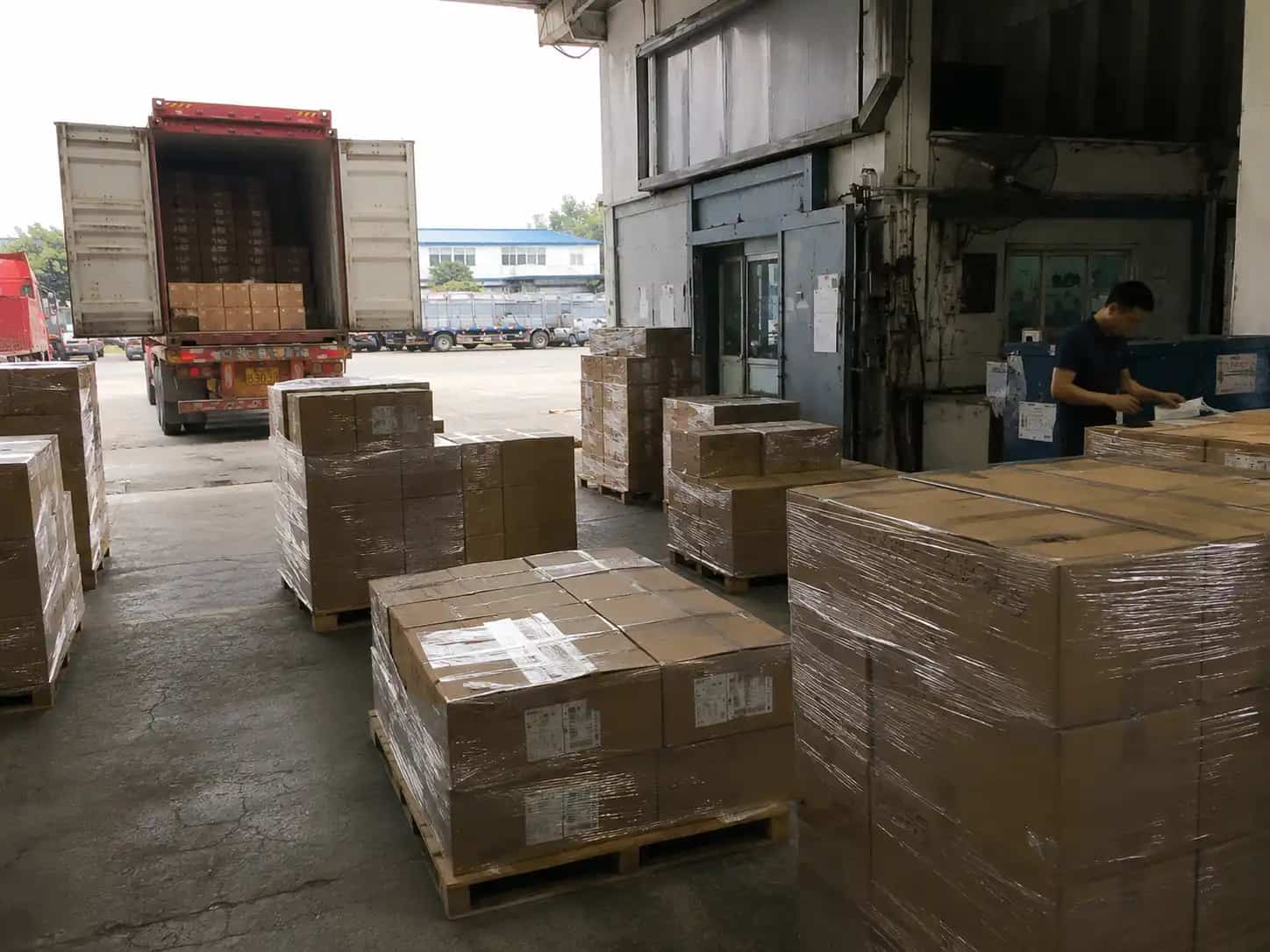
In March 2026, GWT handled a DDP air shipment from China to Argentina. The goods were retail products from three factories in Shenzhen, Shantou and Xiamen. This urgent shipment arrived at the warehouse in Buenos Aires six days earlier than the originally planned schedule. But the previous troubles were not related to shipping.
The customer’s goods were sourced from three factories. One of them completed production 4 days ahead of schedule, while the other one was delayed by 7 days. For the same product, the HS CODE provided by the three factories had two different versions.
We first moved the completed goods into our warehouse and rechecked over 200 SKUs.It took about two days to unify the product names and HS codes. However, the clearance in Argentina later went smoothly. Storage cost was approximately 20% lower compared to the separate approach, and the local customs clearance cost in Argentina was also reduced by 10-20%.
To put it simply, for this kind of small item, the actual fine-tuning of details takes place in the final few steps before shipment.
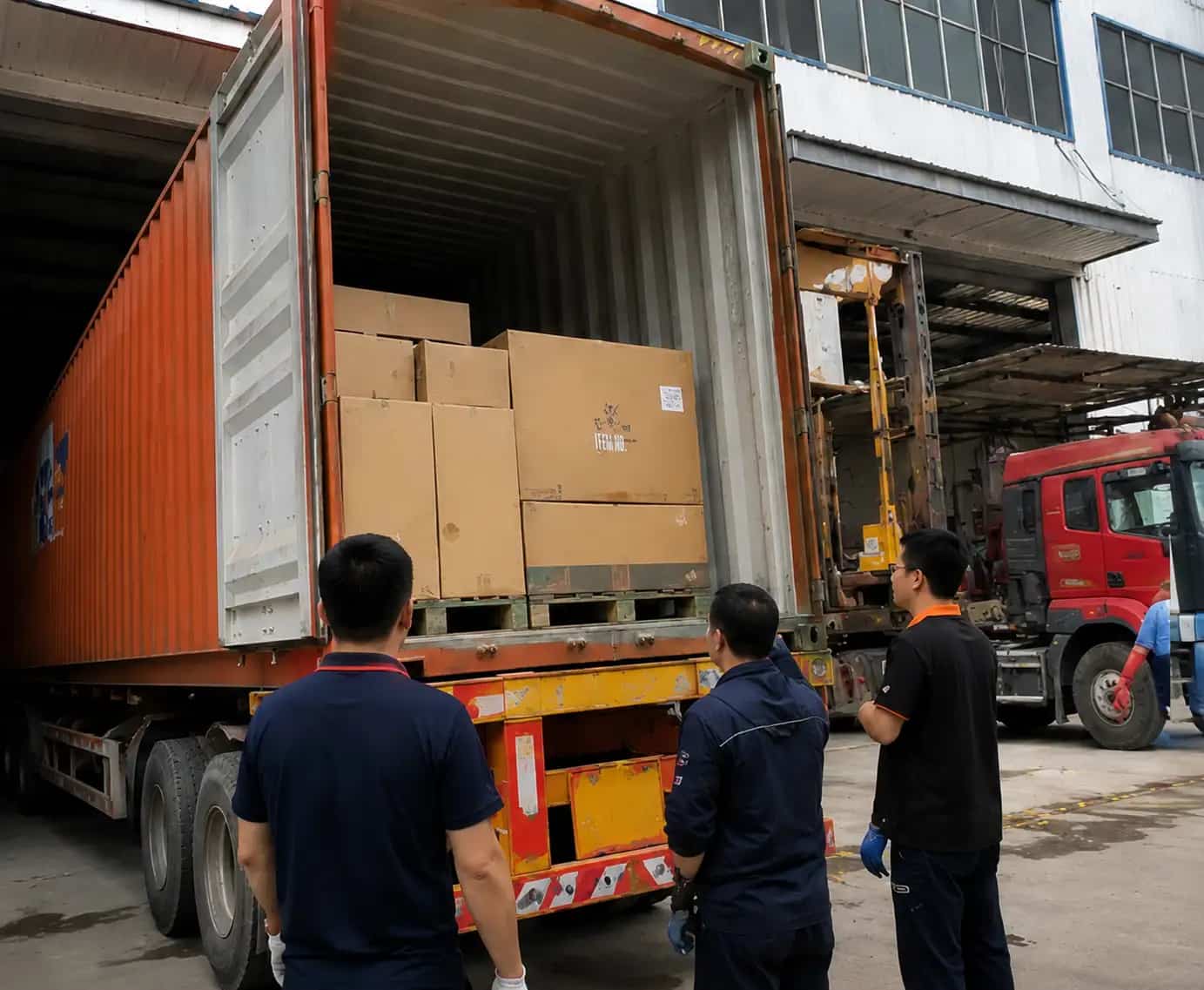
In April 2026, we handled an electronic accessories shipment from China. Our customer originally planned to ship the goods by two 20-foot containers from Shenzhen to Buenos Aires. But one factory delayed production, and delivery ended up almost 12 days behind schedule.
The customer faced significant inventory pressure. Once inventory timing gets disrupted, the following sales and replenishment cycle becomes difficult. Waiting for all cargo to be completed would delay the shipment even further. Splitting everything into separate shipments would also push logistics and customs costs much higher. After reviewing the SKU structure, we adjusted the shipping plan. High-priority SKUs moved first by air freight, while the larger cargo stayed on the original sea freight arrangement. At the warehouse, we also reorganised packaging and updated cargo information before export.
Finally, our customer received the urgent replenishment cargo 8 days earlier, which helped them avoid running out of stock. It would have taken around 35 days if the customer had used sea freight. By comparison, the air shipment including warehouse handling took about 17 days. That means the air option arrived roughly 18 days faster than the original sea freight plan.
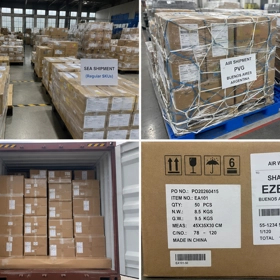
In April 2026, GWT handled a 40HQ container consolidated shipment of building materials and furniture accessories under FOB terms from four different factories in China. Three suppliers completed production on schedule, while one factory delayed the cargo for nearly two weeks.
Since the shipment included more than 200 SKUs, our team had to coordinate staggered warehouse deliveries from Foshan, Guangzhou, and Shenzhen before container loading could begin. After the cargo arrived at the warehouse, we checked the outer packaging and verified the SKU information one by one to avoid packing and customs declaration discrepancies.
China to Argentina Shipping Methods, Costs & Transit Times(2026)
- Sea Freight From China to Argentina
- Air Freight From China to Argentina for Urgent Cargo
- DDP Shipping From China to Argentina (Door-to-Door Service)
- DHL, FedEx & UPS Shipping From China to Argentina
- Which Shipping Method is Best for Your Cargo?
- FCL vs LCL: Choose the Right Shipping Option for Argentina
What sea freight to Argentina usually looks like (September 2026)
| Route | Container Type | Estimated Cost | Transit Time |
| Guangzhou → Buenos Aires | FCL 40HQ | $8,200–$9,200 | 38–46 Days |
| Shenzhen → Buenos Aires | FCL 40HQ | $8,500–$9,500 | 37–48 Days |
| Shenzhen → Rosario | FCL 20GP | $7,900–$9,200 | 37–48 Days |
| Xiamen → Buenos Aires | FCL 40HQ | $8,300–$9,600 | 42–54 Days |
| Ningbo → Bahía Blanca | FCL 20GP | $8,000–$9,300 | 40–52 Days |
| Qingdao → Buenos Aires | FCL 40HQ | $8,500–$10,000 | 42–56 Days |
| Shanghai → Rosario | FCL 20GP | $7,900–$9,300 | 37–49 Days |
| Shipping to Buenos Aires | LCL (MIN 1CBM) | $120–$170/CBM | 41–54 Days |
| Shipping to Rosario | LCL (MIN 2CBM) | $130–$185/CBM | 42–56 Days |
In September 2026, sea freight rates from China to Argentina currently range from $7,900–$10,000 for FCL shipments with typical transit times of 37–56 days.
GWT continues to provide the latest China to Argentina sea freight rates and transit times, helping you estimate your shipping costs and total transportation time before your cargo leaves China.
What air freight to Argentina usually looks like (September 2026)
| Origin Airport | Destination Airport | Air Freight Cost | Transit Time |
| Shanghai Pudong (PVG) | Buenos Aires (EZE) | $9.5–$13.5/kg | 4–8 Days |
| Shenzhen Bao’an (SZX) | Buenos Aires (EZE) | $7.5–$11.5/kg | 6–10 Days |
| Guangzhou Baiyun (CAN) | Córdoba (COR) | $6.5–$10.5/kg | 6–10 Days |
| Hong Kong (HKG) | Córdoba (COR) | $7.0–$11.5/kg | 5–9 Days |
| Ningbo Lishe (NGB) | Buenos Aires (EZE) | $7.5–$11.5/kg | 6–10 Days |
| Qingdao Jiaodong (TAO) | Buenos Aires (EZE) | $7.5–$12.0/kg | 7–11 Days |
| Xiamen Gaoqi (XMN) | Córdoba (COR) | $7.0–$11.5/kg | 6–10 Days |
| Beijing Capital (PEK) | Mendoza (MDZ) | $8.5–$13.0/kg | 7–12 Days |
For air freight to Argentina, you can choose the most suitable airport based on your cargo location, delivery needs, and transit time. Most international air cargo arrives at EZE Airport in Buenos Aires or Córdoba Airport, giving you flexible options for reaching your final destination.
On the China side, you can ship from major airports including Shanghai, Shenzhen, Guangzhou, and Hong Kong. This flexibility allows you to collect cargo closer to your suppliers, reduce unnecessary inland transportation, and choose a more suitable flight option for your budget and delivery schedule.
What DDP shipping costs from China to Argentina usually look like (September 2026)
| Route | Shipping Type | DDP Shipping Cost | Transit Time |
| China → Argentina | DDP Sea Freight | $8.5/kg–$14.5/kg | 45–60 Days |
| China → Argentina | DDP Air Freight | $11.5/kg–$17.5/kg | 7–12 Days |
In September 2026, DDP sea freight from China to Argentina is approximately $8.5–$14.5/kg, with a transit time of 45–60 days, while DDP air freight is approximately $11.5–$17.5/kg, with a transit time of 7–12 days.
You may prefer DDP shipping when you want a simpler shipping arrangement, especially for smaller shipments or mixed cargo purchased from multiple suppliers in China.
What express shipping costs from China to Argentina usually look like (September 2026)
| Route | Shipping Type | Express Cost | Transit Time |
| China → Argentina | DHL Express | $10.5/kg–$15.2/kg | 4–7 Days |
| China → Argentina | FedEx | $10.8/kg–$16.5/kg | 5–8 Days |
| China → Argentina | UPS Express | $10.8/kg–$16.5/kg | 4–7 Days |
For shipments going to Argentina, it is still crucial to have descriptions of the cargo and properly prepared invoices even when using express services, like DHL, FedEx, and UPS. This is essential to ensure that you can safely receive your cargo.
| Cargo Type | Recommended Method |
| Furniture | Sea Freight |
| Building Materials | Sea Freight |
| Machinery | Sea Freight |
| Auto Parts | Sea Freight / Air Freight |
| Electronics | Air Freight |
| Retail Products | DDP |
| Samples | DHL / FedEx / UPS |
We provide regular air and sea freight services, including FCL and LCL shipping, helping you move furniture, building materials, machinery, auto parts, retail products, and mixed cargo from China to Argentina. Based on your cargo and delivery needs, we help you choose the right shipping option to balance cost and transit time.
| Comparison | FCL Shipping | LCL Shipping |
| Meaning | Full Container Load — your cargo uses an entire container exclusively | Less than Container Load — your cargo shares container space with other shipments |
| Cost | $7,900–$10,000 per container | $120–$185 per CBM |
| Transit Time | 37–56 Days | 40–60 Days |
| Cargo Handling | Fewer handling steps, reducing the risk of damage, loss, or cargo mix-ups | More handling during consolidation and deconsolidation, increasing handling-related risks |
| Advantages | Better cargo protection, greater control, and more cost-effective for larger shipments | Lower upfront cost and flexibility for smaller shipment volumes |
| Best When | Suitable for larger shipments, fragile cargo, or shipments requiring better schedule control | Suitable for smaller shipments when a full container is not cost-effective |
Whether you are shipping a full container to Buenos Aires or a smaller LCL shipment, the right choice depends on your cargo volume, budget, and delivery schedule. GWT can compare FCL and LCL options based on your actual cargo and provide the latest China to Argentina rates before you book.
GWT has handled Chinese-Argentine cargo for over 20 years. Building materials, furniture, machinery and other large-volume cargo are usually more suitable for sea freight shipping from China to Argentina. Because such goods often involve multiple suppliers, storage organisation, and cargo consolidation for loading.
While air freight shipping is more commonly used for emergency replenishment after factory delays, retail orders and accessories with high time requirements.
Most customs problems in Argentina are related to inconsistent cargo descriptions, incomplete shipping documents, or supplier invoice differences before cargo arrival.
In real cases, we can help you prepare the invoices, packing lists, and cargo information from different suppliers in advance. This is because many additional port charges and customs clearance issues are not caused by the transportation itself, but gradually arise during the document preparation process in China.
Yes, we can.
If you purchase products from different suppliers across China, GWT can help coordinate cargo collection, warehouse receiving, cargo sorting, LCL consolidation, and container loading before shipment to Argentina. This is especially common for furniture, building materials, machinery parts, hardware, and mixed retail cargo shipments.
In actual operations, many consolidation problems do not appear immediately in China.
Issues like missing cargo, mixed cartons, incorrect labels, or delayed supplier deliveries often only become visible after the shipment arrives in Argentina.
Sea freight is commonly used for furniture, machinery, building materials, auto parts, and large-volume cargo shipped from China to Argentina. For long-distance shipping, stable loading plans and accurate shipping documents are often more important than choosing the fastest shipping route.
Once a factory delay happens, your inventory plan immediately comes under pressure. At that point, air shipping is usually the fastest way to keep the supply chain moving.
Our DDP service covers the entire shipping process, including cargo collection from suppliers, warehouse consolidation, export customs clearance in China, sea or air shipping, import customs clearance, duty handling, and final delivery in Argentina.
Choosing a reliable freight forwarder from China to Argentina can streamline the logistics process, giving you more time to focus on your business.
With 22 years of experience as a shipping agent from China to Argentina, we invite you to contact GWT for Argentina logistics solutions with multiple supplier cargo consolidation, pre-shipment inspection, document verification, and Argentina customs clearance.
Related Shipping Routes
Selling in Chile too? Compare port and inland costs before you split inventory.
Your Bogotá orders may need longer inland delivery than coastal orders. Plan both separately.

Brazil’s taxes change your final cost. Check them before placing another order.

Before shipping your products to Mexico, check its import rules and the documents required.
Quick Answer: Shipping From China to Argentina
Sea Freight: 35–55 Days
Air Freight: 4–10 Days
DDP Shipping: 7–60 Days
Main Ports in China: Shekou, Yantian, Shanghai, Ningbo, Qingdao, Tianjin
Main Ports in Argentina: Buenos Aires, Rosario, Bahía Blanca
Main Airports in China: Shanghai Pudong (PVG), Guangzhou Baiyun Airport (CAN), Shenzhen Bao’an Airport (SZX), and Hong Kong (HKG)
Main Airports in Argentina: Buenos Aires, Córdoba
Best for Large-volume Cargo: Sea Freight
Best for Urgent Cargo: Air Freight
Best for Small Importers: DDP Shipping
Best for Sample or Document: Express Shipping