Brazil is one of China’s most important trading partners. Around 95% of Brazil’s international trade moves by sea. If you’re planning shipments from China to Brazil, from Brazil to China, or along another route, learning about Brazil’s 35 public ports can help you identify relevant gateways, understand the cargo they handle, and anticipate conditions that may affect your shipment.
Port of Santos (BRSSZ)
Address: Av. Conselheiro Rodrigues Alves, s/nº, Macuco, Santos, SP 11015-900, Brazil.
Brazil’s largest container gateway also handles agricultural exports, industrial goods, vehicles, and liquid bulk cargo.
- Annual TEU: 5.909 million TEU (2025).
- Main imports: Automobile parts, organic chemicals, pesticides, machinery, medicines, and fertilizers.
- Main exports: Soybeans, coffee, sugar, corn, cotton, pulp, and soybean meal.
- Main functions: Container handling, dry bulk, liquid bulk, vehicles, and general cargo.
- Main cities served: Santos, São Paulo, Campinas, and other inland markets connected by road and rail.
- Countries served: China, the United States, Germany, India, and Mexico are major trade partners in the port’s 2025 profile.
- Port congestion: Busy berths can pressure schedules; heavy rain may slow the handling of exposed agricultural bulk cargo.
- Public port management: Autoridade Portuária de Santos (APS).
Port of Paranaguá (BRPNG)
Address: Avenida Ayrton Senna da Silva, 161, Dom Pedro II, Paranaguá, PR 83203-800, Brazil.
Paranaguá is a major southern gateway for containers, refrigerated exports, grain, and fertilizer imports.
- Annual TEU: 1.662 million TEU (2025).
- Main imports: Fertilizers, wheat, malt, and barley.
- Main exports: Poultry, beef, wood products, soybeans, and other agricultural goods.
- Main functions: Containers, refrigerated cargo, agricultural bulk, and fertilizer handling.
- Main cities served: Paranaguá, Curitiba, and inland Paraná markets.
- Countries served: China, South Korea, Panama, the Dominican Republic, and Singapore on a listed container service.
- Port congestion: Agricultural peaks, truck arrivals, and channel conditions can affect different berths differently.
- Public port management: Administração dos Portos de Paranaguá e Antonina (APPA).
Port of Rio Grande (BRRIG)
Address: Avenida Honório Bicalho, s/n, Rio Grande, RS 96201-020, Brazil.
Rio Grande is southern Brazil’s major public container and bulk gateway.
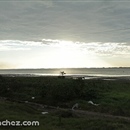
- Annual TEU: 1.018 million TEU (2025).
- Main imports: Fertilizers and industrial inputs.
- Main exports: Soybeans, other grains, and containerized products.
- Main functions: Containers, agricultural bulk, and industrial cargo.
- Main cities served: Rio Grande, Pelotas, Porto Alegre, and other Rio Grande do Sul markets.
- Countries served: China, the United States, Italy, the UAE, and South Korea for pulp exports.
- Port congestion: Harvest-related truck traffic and channel conditions can affect different terminals.
- Public port management: Portos RS.
Port of Rio de Janeiro (BRRIO)
Address: Avenida Rodrigues Alves, 20, Centro, Rio de Janeiro, RJ 20081-250, Brazil.
Rio de Janeiro combines container terminals with general cargo and industrial services on Guanabara Bay.
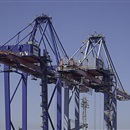
- Annual TEU: 939,000 TEU (2025).
- Main imports: Electronics, chemicals, vehicle parts, and containerized goods.
- Main exports: Coffee, steel products, and other general cargo.
- Main functions: Containers, breakbulk, industrial goods, and regional distribution.
- Main cities served: Rio de Janeiro, Duque de Caxias, and nearby metropolitan markets.
- Countries served: Spain, Italy, the Dominican Republic, Argentina, and Uruguay on listed liner services.
- Port congestion: Bay access, berth demand, and urban road traffic can affect cargo flow.
- Public port management: PortosRio.
Port of Suape (BRSUA)
Address: Rodovia Indonésia, s/n, Distrito Industrial de Ipojuca, Ipojuca, PE 55598-000, Brazil.
Suape is a multipurpose industrial and container port south of Recife.
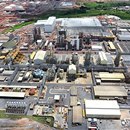
- Annual TEU: 698,000 TEU (2025).
- Main imports: Industrial inputs, fuel, and containerized goods.
- Main exports: Containerized and industrial goods.
- Main functions: Containers, liquid bulk, industrial cargo, and coastal shipping.
- Main cities served: Ipojuca, Recife, and other Pernambuco markets.
- Countries served: China, South Korea, Panama, the Dominican Republic, Spain, Italy, Argentina, and Uruguay.
- Port congestion: Berth utilization and channel conditions can affect vessel handling.
- Public port management: Complexo Industrial Portuário de Suape.
Port of Salvador (BRSSA)
Address: Avenida da França, 1551 I, Comércio, Salvador, BA 40010-000, Brazil.
Salvador is Bahia’s main public container gateway on the Bay of All Saints.
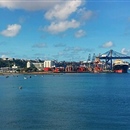
- Annual TEU: 442,611 TEU (2025).
- Main imports: Containerized consumer and industrial goods.
- Main exports: Containerized regional products.
- Main functions: Containers, general cargo, and regional distribution.
- Main cities served: Salvador, Camaçari, and nearby Bahia markets.
- Countries served: China, South Korea, Panama, and the Dominican Republic on a listed Suape-linked service.
- Port congestion: Berth demand and urban road access can affect cargo movement.
- Public port management: Companhia das Docas do Estado da Bahia (CODEBA).
Port of Itajaí (BRITJ)
Address: Rua Blumenau, 05, Centro, Itajaí, SC 88305-101, Brazil.
Itajaí is a public container port on the Itajaí-Açu River, opposite the private Portonave terminal.

- Annual TEU: 366,089 TEU (2025).
- Main imports: Containerized industrial and consumer goods.
- Main exports: Refrigerated and containerized goods.
- Main functions: Container handling and general cargo.
- Main cities served: Itajaí, Blumenau, Brusque, and nearby Santa Catarina markets.
- Riverfront connections: Its public quays face the private Portonave terminal across the Itajai-Acu River.
- Port congestion: River access, berth capacity, and heavy rainfall can affect schedules.
- Public port management: Superintendência do Porto de Itajaí (SPI).
Port of Vitória (BRVIX)
Address: Avenida Getúlio Vargas, 556, Centro, Vitória, ES 29010-420, Brazil.
Vitória’s public port facilities span both Vitória and Vila Velha.
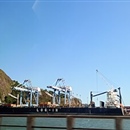
- Annual TEU: 327,844 TEU (2025).
- Main imports: Containerized goods and industrial inputs.
- Main exports: Industrial and agricultural products.
- Main functions: Containers, general cargo, and industrial logistics.
- Main cities served: Vitória, Vila Velha, Serra, and nearby Espírito Santo markets.
- Bay waterfront: Port facilities extend across both Vitoria and Vila Velha on opposite sides of the bay.
- Port congestion: Channel access and terminal berth availability can affect vessel schedules.
- Public port management: Vports.
Port of Itaguaí (BRSPB)
Address: Estrada Humberto Pedro Francisco, s/n, Ilha da Madeira, Itaguaí, RJ 23826-590, Brazil.
Itaguaí is a deep-water gateway in Sepetiba Bay, led by mineral exports.

- Annual TEU: 252,859 TEU (2025).
- Main imports: Industrial inputs and coal.
- Main exports: Iron ore dominates cargo tonnage.
- Main functions: Mineral bulk, industrial cargo, and specialized container handling.
- Main cities served: Itaguaí, Rio de Janeiro, and industrial areas in the southwest of the state.
- Mineral export gateway: Deep-water mineral terminals use Sepetiba Bay and rail links for iron-ore exports.
- Port congestion: Mineral berths and container terminals have different vessel queues and operating conditions.
- Public port management: PortosRio.
Port of Vila do Conde (BRVDC)
Address: Rodovia PA-481, km 2.3, Barcarena, PA 68447-000, Brazil.
Vila do Conde serves Barcarena’s industrial district on the Pará River.

- Annual TEU: 161,051 TEU (2025).
- Main imports: Industrial inputs.
- Main exports: Alumina, aluminum-related products, and other industrial cargo.
- Main functions: Industrial bulk, general cargo, and river-sea logistics.
- Main cities served: Barcarena, Belém, and neighboring Pará industrial areas.
- Industrial cluster: Barcarena aluminum plants sit next to the port, creating a specialized industrial cargo cluster.
- Port congestion: River navigation and industrial vessel demand are the main operating factors to monitor.
- Public port management: Companhia Docas do Pará (CDP).
Port of Imbituba (BRIBB)
Address: Rua Presidente Vargas, 100, Centro, Imbituba, SC 88780-000, Brazil.
Imbituba is a multipurpose port on Santa Catarina’s southern coast.

- Annual TEU: 106,700 TEU (2025).
- Main imports: Bulk and industrial goods.
- Main exports: General and agricultural cargo.
- Main functions: Containers, dry bulk, and general cargo.
- Main cities served: Imbituba, Criciúma, and southern Santa Catarina markets.
- Container services: The port added North America, Argentina, and Asia container services in 2024.
- Port congestion: Berth availability and coastal weather can affect individual calls.
- Public port management: SCPar Porto de Imbituba S.A.
Port of Fortaleza (BRFOR)
Address: Avenida Vicente de Castro, s/n, Mucuripe, Fortaleza, CE 60182-640, Brazil.
Fortaleza, also called Mucuripe, serves the Ceará capital and surrounding markets.
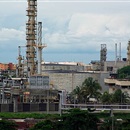
- Annual TEU: Over 99,000 TEU (2025).
- Main imports: Wheat, fuel, and other regional cargo.
- Main functions: General cargo, bulk commodities, and regional container activity.
- Main cities served: Fortaleza and nearby Ceará municipalities.
- Mucuripe waterfront: Also known as Mucuripe, this is the older urban port of Fortaleza, distinct from Pecem.
- Port congestion: Berth availability and coastal weather can affect individual vessel calls.
- Public port management: Companhia Docas do Ceará (CDC).
Port of Belém (BRBEL)
Address: Avenida Marechal Hermes, Praça Pedro Teixeira, Centro, Belém, PA 66010-000, Brazil.
Belém is a river-estuary port serving the state capital and nearby Amazon markets.
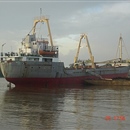
- Annual TEU: N/A.
- Main functions: Urban cargo handling, passenger transport, and connections with inland waterways.
- Main cities served: Belém, Ananindeua, and nearby Pará communities.
- Tidal navigation: Its urban riverfront links Belem with smaller Amazon communities and passenger services.
- Port congestion: River conditions and local berth demand can affect vessel access.
- Public port management: Companhia Docas do Pará (CDP).
Port of Santarém (BRSTM)
Address: Avenida Cuiabá, s/n, Salé, Santarém, PA 68040-400, Brazil.
Santarém sits near the Tapajós–Amazonas confluence and connects northern grain corridors with ocean shipping.

- Annual TEU: N/A.
- Main exports: Soybeans and corn.
- Main functions: Agricultural bulk loading, river-to-sea transfer, and regional cargo services.
- Main cities served: Santarém, Itaituba, and grain-producing areas linked to the Tapajós corridor.
- Tapajós grain corridor: At the Tapajos-Amazon confluence, it links BR-163 grain traffic with ocean-going vessels.
- Port congestion: Grain-harvest arrivals and river levels may change loading schedules.
- Public port management: Companhia Docas do Pará (CDP).
Port of Manaus (BRMAO)
Address: Rua Taqueirinha, 25, Centro, Manaus, AM 69005-420, Brazil.
Manaus is a public river port near the city center and the Manaus Free Trade Zone.

- Annual TEU: N/A.
- Main functions: Passenger services, general cargo, and inland-waterway connections.
- Main cities served: Manaus and surrounding Amazonas communities.
- Floating riverfront: A floating riverfront structure accommodates seasonal changes in the Rio Negro water level.
- Port congestion: Low-water periods can restrict draft and alter inland transport schedules.
- Public port management: Superintendência Estadual de Navegação, Portos e Hidrovias (SNPH).
Port of Santana (BRSAN)
Address: Rua Cláudio Lúcio Monteiro, 1380, Novo Horizonte, Santana, AP 68925-000, Brazil.
Santana is Amapá’s principal public cargo port on the Amazon River.

- Annual TEU: N/A.
- Main exports: Minerals and other bulk commodities.
- Main functions: Bulk exports, general cargo, and river-sea connections.
- Main cities served: Santana, Macapá, and nearby Amapá communities.
- Santana Channel: The natural Santana Channel gives Amapa cargo access to the Amazon estuary.
- Port congestion: River levels, berth availability, and bulk-loading equipment affect operations.
- Public port management: Companhia Docas de Santana (CDSA).
Port of Porto Velho (BRPVH)
Address: Estrada do Terminal, 400, Panair, Porto Velho, RO 76801-370, Brazil.
Porto Velho connects Rondônia and western grain corridors with the Madeira River.

- Annual TEU: N/A.
- Main exports: Soybeans and corn moving through the Madeira waterway.
- Main functions: Inland bulk transport, barging, and regional cargo transfer.
- Main cities served: Porto Velho and grain-producing areas of Rondônia and western Mato Grosso.
- Madeira River ramps: Roll-on/roll-off ramps connect Madeira River barges with Rondonia road traffic.
- Port congestion: Low Madeira River levels may reduce barge draft and carrying capacity.
- Public port management: Sociedade de Portos e Hidrovias do Estado de Rondônia (SOPH).
Port of Itaqui (BRIQI)
Address: Avenida dos Portugueses, s/n, Porto do Itaqui, São Luís, MA 65085-370, Brazil.
Itaqui is a major northern bulk gateway on São Marcos Bay.

- Annual TEU: N/A.
- Main imports: Fertilizers and fuels.
- Main exports: Soybeans and corn.
- Main functions: Agricultural bulk, liquid bulk, and regional industrial cargo.
- Main cities served: São Luís and grain-producing areas connected by northern road and rail corridors.
- São Marcos Bay tides: Sao Marcos Bay has large tides that shape vessel scheduling and pilotage.
- Port congestion: Grain harvests, fertilizer arrivals, and tidal operating windows can affect berth demand.
- Public port management: Empresa Maranhense de Administração Portuária (EMAP).
Port of Natal (BRNAT)
Address: Avenida Engenheiro Hildebrando de Góis, 220, Ribeira, Natal, RN 59010-700, Brazil.
Natal is a regional public port on the Potengi River.
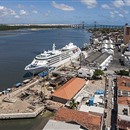
- Annual TEU: N/A.
- Main exports: Fruit and other refrigerated regional cargo.
- Main functions: Regional cargo, refrigerated shipments, and occasional passenger activity.
- Main cities served: Natal and nearby Rio Grande do Norte production areas.
- Potengi River access: Its Potengi River entrance places the port beside the historic center of Natal.
- Port congestion: River access and available berths determine vessel handling windows.
- Public port management: Companhia Docas do Rio Grande do Norte (CODERN).
Port of Areia Branca
Address: Rua Delegado Raimundo Fernandes, 267, Areia Branca, RN 59655-000, Brazil.
Areia Branca’s offshore salt terminal, known as Porto-Ilha, specializes in salt exports.

- Annual TEU: N/A.
- Main exports: Sea salt.
- Main functions: Salt storage and offshore bulk loading.
- Main cities served: Areia Branca, Mossoró, Grossos, Galinhos, and Macau salt-producing areas.
- Offshore salt island: Porto-Ilha is an offshore artificial island built for loading salt from coastal salinas.
- Port congestion: Offshore weather and barge-transfer conditions can interrupt loading.
- Public port management: CODERN; the salt terminal is operated under lease by Intersal S.A.
Port of Cabedelo (BRCDO)
Address: Rua Presidente João Pessoa, s/n, Centro, Cabedelo, PB 58100-100, Brazil.
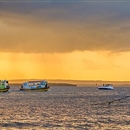
Cabedelo is Paraíba’s public maritime gateway near João Pessoa.
- Annual TEU: N/A.
- Main imports: Fuel and bulk commodities.
- Main functions: Fuel handling, general cargo, and regional bulk trade.
- Main cities served: Cabedelo, João Pessoa, and nearby Paraíba markets.
- Restinga Island setting: The port faces Restinga Island beside the sixteenth-century Santa Catarina fortress.
- Port congestion: Estuary access and berth availability may constrain vessel scheduling.
- Public port management: Companhia Docas da Paraíba (DOCAS-PB).
Port of Recife (BRREC)
Address: Praça Comunidade Luso-Brasileira, 70, Bairro do Recife, Recife, PE 50030-280, Brazil.
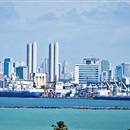
Recife is a historic urban port at the mouths of the Capibaribe and Beberibe rivers.
- Annual TEU: N/A.
- Main exports: Sugar and regional general cargo.
- Main functions: General cargo, bulk commodities, and urban port services.
- Main cities served: Recife and nearby Pernambuco markets.
- Historic waterfront: The historic port sits within the Recife urban waterfront near the old center.
- Port congestion: Urban access, vessel draft, and berth availability can affect operations.
- Public port management: Porto do Recife S.A.
Port of Maceió (BRMCZ)
Address: Rua Sá e Albuquerque, s/n, Jaraguá, Maceió, AL 57022-180, Brazil.
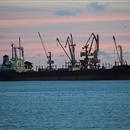
Maceió is Alagoas’s public cargo port in the Jaraguá district.
- Annual TEU: N/A.
- Main exports: Sugar and other regional products.
- Main functions: Bulk cargo, liquid cargo, and general cargo.
- Main cities served: Maceió and nearby Alagoas production areas.
- Jaraguá waterfront: Its Jaragua waterfront has long served the sugar-producing economy of Alagoas.
- Port congestion: Seasonal sugar movements and berth availability can affect operating windows.
- Public port management: Administração do Porto de Maceió (APMC), linked to CODERN.
Port of Aratu-Candeias (BRARB)
Address: Vila Matoim, s/n, Baía de Aratu, Candeias, BA 43800-000, Brazil.
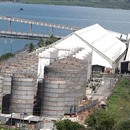
Aratu-Candeias serves Bahia’s industrial area with bulk and chemical-handling facilities.
- Annual TEU: N/A.
- Main imports: Chemicals, fuels, and industrial inputs.
- Main exports: Industrial bulk and petrochemical products.
- Main functions: Liquid bulk, solid bulk, and chemical cargo.
- Main cities served: Candeias, Camaçari, and Salvador’s industrial area.
- Industrial bulk berths: Specialized bulk berths support the petrochemical and industrial zone around Camacari.
- Port congestion: Specialized berth availability and industrial vessel arrivals affect scheduling.
- Public port management: Companhia das Docas do Estado da Bahia (CODEBA).
Port of Ilhéus (BRIOS)
Address: Rua Rotary, s/n, Cidade Nova, Ilhéus, BA 45652-020, Brazil.
Ilhéus is a regional public port on Bahia’s southern coast.

- Annual TEU: N/A.
- Main functions: General cargo and regional maritime services.
- Main cities served: Ilhéus, Itabuna, and southern Bahia communities.
- Cocoa coast gateway: The port serves the cocoa-growing south coast of Bahia and the Ilheus-Itabuna region.
- Port congestion: Vessel draft, weather, and limited berth availability can affect calls.
- Public port management: Companhia das Docas do Estado da Bahia (CODEBA).
Port of Barra do Riacho (BRRCH)
Address: Rodovia ES-010, km 60, s/n, Barra do Riacho, Aracruz, ES 29197-554, Brazil.
Barra do Riacho is a northern Espírito Santo port area associated with industrial coastal facilities.
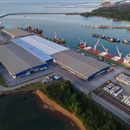
- Annual TEU: N/A.
- Main functions: Industrial and specialized terminal activity.
- Main cities served: Aracruz and nearby Espírito Santo industrial areas.
- Aracruz industrial coast: The Aracruz area concentrates pulp-related industrial facilities along this coast.
- Port congestion: Specialized facilities and coastal operating conditions determine berth availability.
- Public port management: Vports.
Port of Angra dos Reis (BRADR)
Address: Praça Lopes Trovão, s/n, Angra dos Reis, RJ 23900-490, Brazil.
Angra dos Reis serves specialized industrial and offshore activity on the southern Rio de Janeiro coast.
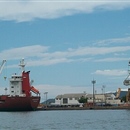
- Annual TEU: N/A.
- Main functions: Industrial cargo, project logistics, and offshore support.
- Main cities served: Angra dos Reis and nearby coastal industrial areas.
- Sheltered offshore base: Its sheltered Ilha Grande Bay location supports offshore work linked to the Santos Basin.
- Port congestion: Specialized handling and berth allocation matter more than container-port volume.
- Public port management: PortosRio.
Port of Niterói (BRNTR)
Address: Avenida Feliciano Sodré, 215, Niterói, RJ 24030-012, Brazil.
Niterói supports maritime industries across Guanabara Bay from Rio de Janeiro.

- Annual TEU: N/A.
- Main functions: Offshore support, ship-related services, and general cargo.
- Main cities served: Niterói and the eastern Guanabara Bay area.
- Ship repair and offshore support: Ship repair and offshore supply activity dominate this Guanabara Bay waterfront.
- Port congestion: Offshore vessel activity can compete for specialized waterfront capacity.
- Public port management: PortosRio.
Port of Forno (BRFNO)
Address: Rua Santa Cruz, 100, Arraial do Cabo, RJ 28930-000, Brazil.
Forno is a small port in Arraial do Cabo undergoing a phased return to cargo activity.
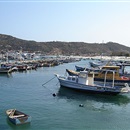
- Annual TEU: N/A.
- Main functions: Three cargo berths and marine support facilities under a port reactivation program.
- Main cities served: Arraial do Cabo and nearby coastal communities.
- Quay and marine reserve: Its 300-meter quay borders a protected marine area, making environmental licensing central to reactivation.
- Port congestion: Weather, draft, and limited berths may constrain specific calls.
- Public port management: PortosRio.
Port of São Sebastião (BRSSO)
Address: Avenida Doutor Altino Arantes, 372, Centro, São Sebastião, SP 11608-623, Brazil.
São Sebastião is a public multipurpose port on São Paulo’s north coast.
- Annual TEU: N/A.
- Main functions: Multipurpose cargo and project shipments.
- Main cities served: São Sebastião, Caraguatatuba, and the Paraíba Valley.
- São Sebastião Channel: The sheltered Sao Sebastiao Channel separates the port from Ilhabela.
- Port congestion: Weather and limited berth availability may affect individual cargo calls.
- Public port management: Companhia Docas de São Sebastião (CDSS).
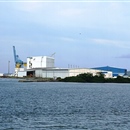
Port of Antonina (BRANT)
Address: Avenida Conde Matarazzo, 2500, Antonina, PR 83370-000, Brazil.
Antonina shares a state port authority with Paranaguá but has a separate operating area.
- Annual TEU: N/A.
- Main functions: Bulk and multipurpose regional shipping.
- Main cities served: Antonina, Morretes, and nearby Paraná markets.
- Separate operating area: Antonina uses a separate operating area within the same bay system as Paranagua.
- Port congestion: Channel limits and berth availability determine suitable vessel size and calls.
- Public port management: Administração dos Portos de Paranaguá e Antonina (APPA).
Port of São Francisco do Sul (BRSFS)
Address: Avenida Engenheiro Leite Ribeiro, 782, Centro, São Francisco do Sul, SC 89330-166, Brazil.
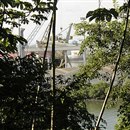
São Francisco do Sul handles grain and industrial cargo in Babitonga Bay.
- Annual TEU: N/A.
- Main imports: Steel-related inputs and industrial goods.
- Main exports: Soybeans, corn, and other agricultural bulk.
- Main functions: Grain loading, steel cargo, and general cargo.
- Main cities served: São Francisco do Sul, Joinville, Blumenau, and Curitiba.
- Babitonga Bay access: Babitonga Bay gives northern Santa Catarina a protected maritime access route.
- Port congestion: Grain harvests and truck queues can increase pressure on terminal access.
- Public port management: SCPar Porto de São Francisco do Sul S.A.
Port of Laguna
Address: Avenida Getúlio Vargas, 728, Magalhães, Laguna, SC 88790-000, Brazil.
Laguna is a small port area associated with fishing activity.

- Annual TEU: N/A.
- Main functions: Fishing support and small-vessel activity.
- Main cities served: Laguna and nearby coastal communities.
- Fishing harbor: Fishing-vessel activity distinguishes this small harbor from Santa Catarina container gateways.
- Port congestion: Bar access, weather, and fishing-vessel activity shape local operations.
- Public port management: SCPar.
Port of Porto Alegre (BRPOA)
Address: Avenida Mauá, 1050, Centro Histórico, Porto Alegre, RS 90010-110, Brazil.
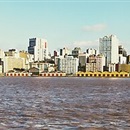
Porto Alegre is an inland waterway port serving the state capital.
- Annual TEU: N/A.
- Main functions: Inland shipping, general cargo, and regional distribution.
- Main cities served: Porto Alegre and nearby metropolitan municipalities.
- Guaiba waterfront: The port lies on the Guaiba waterfront, linked to Patos Lagoon and the Atlantic.
- Port congestion: Water levels and river navigation conditions affect operating windows.
- Public port management: Portos RS.
Port of Pelotas (BRPET)
Address: Rua Benjamin Constant, 701, Pelotas, RS 96010-020, Brazil.
Pelotas is a regional inland port linked to the southern lagoon and waterway network.

- Annual TEU: N/A.
- Main functions: Inland shipping and regional cargo transfer.
- Main cities served: Pelotas and neighboring southern Rio Grande do Sul markets.
- Patos Lagoon link: Patos Lagoon waterways connect Pelotas with the ocean gateway at Rio Grande.
- Port congestion: Waterway depth and small-vessel operating conditions affect schedules.
- Public port management: Portos RS.
FAQ
How Many Ports Are There in Brazil?
Brazil has an extensive port network that includes public ports and private terminals. This guide covers 35 public ports, including major ports such as Santos, Paranaguá, Rio Grande, and Rio de Janeiro. Understanding their locations, cargo types, and inland connections can help you identify the most suitable gateway for your shipment.
Which Is the Largest Container Port in Brazil?
The Port of Santos, located in São Paulo state, is Brazil’s largest container port, handling 5.909 million TEUs in 2025. It serves as a major gateway for international trade, connecting São Paulo and Brazil’s inland industrial markets with global shipping routes.
GWT Logistics arranges weekly container shipments from China to Santos. Explore our FCL shipping services from China to Brazil to learn more about container shipping options, transit times, and freight costs.