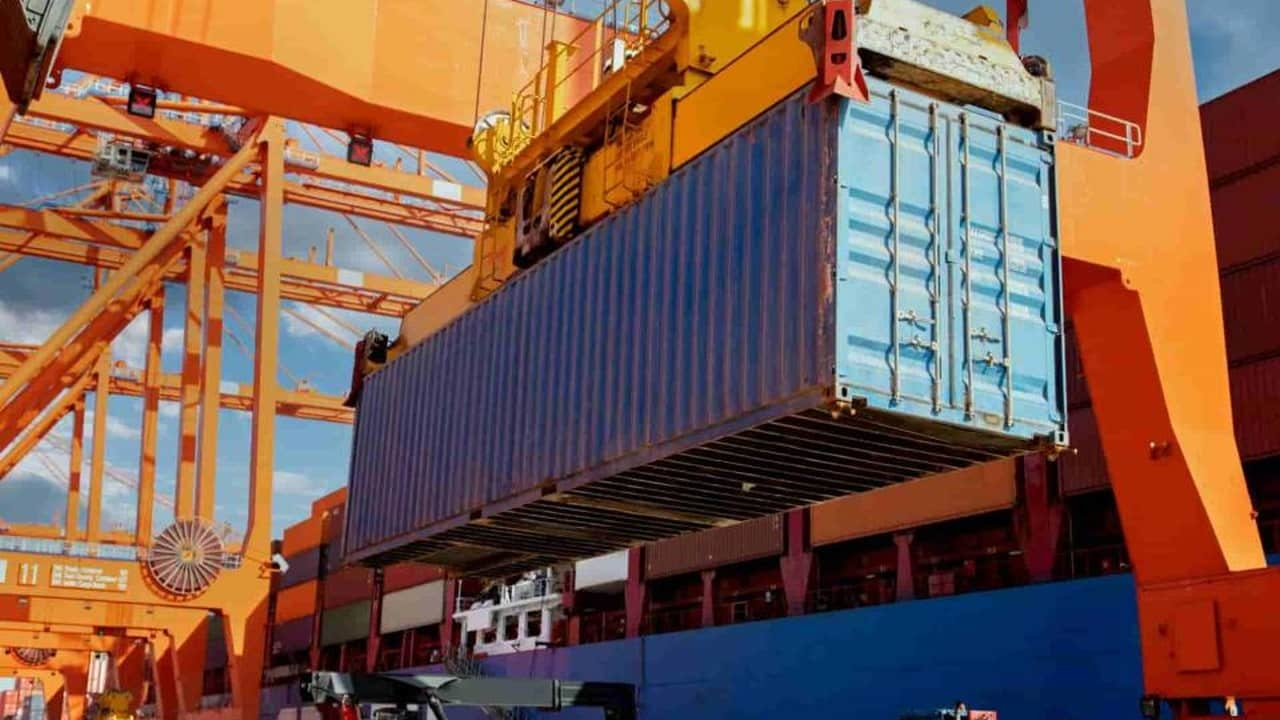
When you ship from China to Peru, the port on your booking is only one part of the route. Callao and Chancay are important gateways for cargo headed to Lima, while ports such as Paita and Matarani serve other regions and cargo types. Peru’s wider port network also includes Amazon river terminals and specialized facilities for minerals, oil, and gas. This guide explores 21 ports and terminals in Peru, showing how each fits into the country’s transport network.
Callao South Container Terminal (PECLL)
Address: Av. Manco Cápac 113, Cercado del Callao, Constitutional Province of Callao, Peru.
Callao’s south terminal is where DP World handles container services for Peru’s largest urban market.
- Annual TEU: 2,078,576 TEU (2025).
- Main function: Containerized imports, exports, and transshipment, with refrigerated container handling for temperature-sensitive cargo.
- Areas served: Callao, Lima, and inland destinations reached through the capital’s distribution network.
- Quay and reefer facilities: The Bicentennial Pier extension brought the quay to 1,050 metres. DP World lists 1,694 reefer connections.
- Route example: CMA CGM’s published ACSA1 service includes calls in China, Mexico, Colombia, Peru, Chile, and Ecuador.
- Truck access: Check the pickup gate and truck appointment. Queues on the Callao approach roads can affect the trip.
- Terminal management: DP World Callao S.R.L.
Callao North Multipurpose Terminal (PECLL)
Address: Av. Contralmirante Raygada 111, Callao, Constitutional Province of Callao, Peru (pedestrian entrance).
A grain vessel, a vehicle carrier, and a container ship can all be served at Callao’s north terminal.
- Annual TEU: 1,244,832 TEU (2025).
- Main functions: Containers, dry and liquid bulk, breakbulk, and roll-on/roll-off cargo.
- Areas served: Callao, Lima, and the central Peruvian market.
- Vessel access: APM publishes separate berth specifications. Use the assigned berth when checking length and depth for a large vessel.
- Truck turn time: APM’s tool measures time from gate entry to gate exit. Allow separately for time on the approach roads.
- Expansion: Peru’s Ministry of Transport announced the start of Phase 3B in June 2026.
- Terminal management: APM Terminals Callao S.A.
Port of Paita (PEPAI)
Address: Jr. Ferrocarril 127, Paita district and province, Piura, Peru.
For a mango shipment from Piura, the sailing date helps determine when the fruit needs to be packed and delivered to Paita.
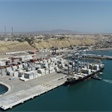
- Annual TEU: 414,637 TEU (2025).
- Main exports: Mangoes, table grapes, avocados, and fishery products.
- Import examples: Fertilizer, cereals, vegetable oils, and vehicles.
- Areas served: Piura, Tumbes, Lambayeque, Amazonas, and San Martín.
- Container berth: The operator lists a 360-metre quay and a maximum permitted draft of 13 metres for this berth.
- Reefer planning: Work back from the carrier’s cutoff to schedule packing, any required cold treatment, and delivery to the terminal.
- Terminal management: Terminales Portuarios Euroandinos Paita S.A. (TPE).
Port of Chancay (PECHY)
Address: Bahía de Chancay, Carretera Panamericana Norte Km 80, Chancay district, Huaral province, Lima region, Peru.
Chancay gives shippers an additional Pacific gateway for Lima and a connection to Asian services.

- Annual TEU: 231,478 TEU (2025). The terminal received its commercial operating licence on June 5, 2025.
- Import examples: Vehicles, machinery, and bulk cargo.
- Export examples: Blueberries, avocados, table grapes, and citrus.
- First-phase layout: Four berths with about 1,500 metres of total quay. The reported 17.8 metres refers to water depth.
- Road access: A 1.8-kilometre tunnel links the operating area with the entrance complex and the Pan-American Highway connection.
- Route example: Chancay–Shanghai has a published direct service. Check the rotation separately for a sailing from China to Peru.
- Terminal management: COSCO Shipping Ports Chancay Perú S.A.
General San Martín Terminal, Pisco–Paracas (PEPIO)
Address: Carretera Punta Pejerrey Km 39, Paracas district, Pisco province, Ica, Peru.
Pisco is the name you may see when booking. General San Martín is the multipurpose terminal on the Paracas peninsula.
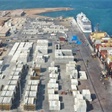
- Annual TEU: 89,833 TEU (2025).
- Main functions: Dry bulk, mineral bulk, general cargo, and containers, including refrigerated agricultural cargo.
- Areas served: Paracas, Pisco, and Ica’s agricultural and industrial districts.
- Berth layout: Two 350-metre sections make up the 700-metre quay. The terminal publishes separate depths for each section.
- Booking detail: CMA CGM lists this terminal as PEPIO-PDP. Check the operator’s vessel schedule for the actual call.
- Terminal management: Terminal Portuario Paracas S.A.
Pucallpa LPO River Terminal (PEPCL)
Address: Jirón 2 de Mayo, Block 1, Callería district, Pucallpa, Coronel Portillo province, Ucayali, Peru.
At Pucallpa, a shipment heading farther into the Amazon can transfer from road to river at the LPO terminal.

- Annual TEU: 9,918 TEU (2025).
- Main functions: Containers, general cargo, and transfer between trucks and river vessels.
- River connection: The operator lists intermodal service between Pucallpa and Iquitos.
- River conditions: Lower water can restrict vessel draft and travel on the Ucayali. Check conditions for the planned river leg.
- Terminal management: Logística Peruana del Oriente S.A. (LPO), a privately owned terminal open to public use.
Port of Ilo, ENAPU Terminal (PEILQ)
Address: Calle Matara 104, Ilo district and province, Moquegua, Peru.
Ilo’s public pier gives southern Peru a multipurpose facility in a port area shared with several industrial terminals.
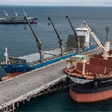
- Annual TEU: 8,488 TEU (2025).
- Main functions: General cargo, grain and other bulk cargo, containers, and mineral concentrate handling.
- Areas served: Ilo, Moquegua, and inland destinations in southern Peru. ENAPU also identifies a corridor towards Bolivia.
- Public pier: Government planning documents list a 302-metre pier. Confirm the working draft for the assigned berth.
- Terminal management: Empresa Nacional de Puertos S.A. (ENAPU).
Port of Matarani (PEMRI)
Address: Terminal Portuario Matarani s/n, Puerto Matarani, Islay district and province, Arequipa, Peru.
Mineral shipments give a fuller picture of Matarani’s role in southern Peru than its container tally alone.
- Annual TEU: 8,392 TEU (2025).
- Total cargo: 8.39 million metric tonnes (2025), including about 5.56 million tonnes of mineral bulk cargo.
- Main cargoes: Mineral concentrates for export, grain imports, and general cargo.
- Mineral loading: Berth F handles concentrates using specialized equipment. The multipurpose quay serves a different mix of cargoes.
- Areas served: Arequipa and southern Peru’s mining regions. The operator also provides services for cargo in transit to and from Bolivia.
- Terminal management: Terminal Internacional del Sur S.A. (TISUR).
Júpiter River Terminal, Punchana
Location: Left bank of the Itaya River, Punchana district, Maynas province, Loreto, Peru.
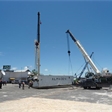
Júpiter is a privately operated river terminal in the Iquitos area with its own cargo-handling berth.
- Annual TEU: 5,832 TEU (2025).
- Main functions: Container and rolling cargo handling at a public-use river terminal.
- Barge handling: The operator advertises cranes and loaders for moving cargo between the shore and river barges.
- Terminal management: Transportes Júpiter S.R.L.
Port of Salaverry (PESVY)
Address: Calle Córdova s/n, Salaverry district, Trujillo province, La Libertad, Peru.
For the Trujillo area, Salaverry’s role is most visible in the grain and mineral cargo moving across its quays.

- Annual TEU: 2,807 TEU (2025).
- Total cargo: 4.11 million metric tonnes (2025), mostly mineral and non-mineral solid bulk.
- Main cargoes: Maize, wheat, soy, fertilizer, sugar, and mineral cargoes.
- Berths: The operator’s manoeuvring study lists two piers. Working depths vary by berth and dredging conditions.
- Port conditions: Check current Pacific swell restrictions and the specific berth before planning a bulk shipment or vessel call.
- Terminal management: Salaverry Terminal Internacional S.A. (STI).
Yurimaguas–Nueva Reforma Terminal (PEYMS)
Address: Vía de Evitamiento Km 0.00, Caserío Santa Rosa, Yurimaguas, Alto Amazonas province, Loreto, Peru.
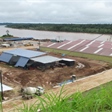
Nueva Reforma connects the road network from Tarapoto with the river system serving Iquitos.
- Annual TEU: 367 TEU (2025).
- Main functions: Road-to-river transfer for general cargo, containers, and vehicles.
- Inland connection: The northern road corridor links Yurimaguas with Tarapoto and reaches the Pacific coast at Paita.
- Cross-border example: An APN-documented pilot brought 2,000 tonnes of soybean meal from Brazil via Iquitos to Nueva Reforma for onward delivery.
- Terminal management: Concesionaria Puerto Amazonas S.A. (COPAM).
Callao Mineral Concentrate Terminal (PECLL)
Location: Terminal de Embarque de Concentrados de Minerales, Port of Callao, Constitutional Province of Callao, Peru.
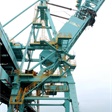
Callao’s mineral-loading terminal gives concentrate exports a dedicated route from storage facilities to the ship.
- Annual TEU: N/A.
- Total cargo: 3.08 million metric tonnes (2025).
- Main function: Loading mineral concentrates through an enclosed conveyor system.
- Terminal management: Transportadora Callao S.A., concessionaire of the public-use specialist terminal.
Port of Chimbote (PECHM)
Address: Prolongación Malecón Grau 519, Chimbote district, Santa province, Áncash, Peru.
At Chimbote, the public cargo terminal operates alongside separate steel, fuel, and fish oil facilities around Ferrol Bay.

- Annual TEU: N/A.
- Total cargo: 75,995 metric tonnes (2025).
- Cargo examples: Regional records show fishmeal loading and frozen fish unloading at the public terminal.
- Development: A modernization proposal discussed in September 2026 includes a specialized berth and container yard.
- Public port management: Gobierno Regional de Áncash.
Talara Refinery Marine Terminal (PETYL)
Address: Av. Miguel Grau, Pariñas district, Talara province, Piura, Peru.
The refinery’s marine facilities handle tanker cargo at the northern end of Peru’s coastal fuel distribution network.

- Annual TEU: N/A.
- Main function: Marine receipt and dispatch of refinery feedstock and petroleum products.
- Marine facilities: The APN inventory identifies MU1, the hybrid MU2 pier, and the Punta Arenas buoy mooring.
- Terminal management: Petróleos del Perú S.A. (Petroperú).
Bayóvar Miski Mayo Terminal (PEPUB)
Location: Bayóvar, Sechura Bay, Sechura province, Piura, Peru.
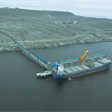
Bayóvar’s phosphate terminal ties one mining operation to a dedicated seaborne export route.
- Annual TEU: N/A.
- Total cargo: 5.08 million metric tonnes (2025).
- Main export: Phosphate rock from the Bayóvar mine, shipped as dry bulk.
- Terminal management: Compañía Minera Miski Mayo S.R.L.
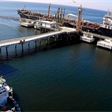
Bayóvar Petroperú Oil Terminal (PEPUB)
Location: Punta Bappo, Bayóvar, Sechura province, Piura, Peru.
This is the crude oil outlet at the coastal end of Peru’s northern oil pipeline.
- Annual TEU: N/A.
- Total cargo: 2.62 million metric tonnes (2025).
- Main function: Crude oil storage and tanker loading connected to the Norperuano pipeline.
- Terminal management: Petróleos del Perú S.A. (Petroperú).
Punta Lobitos Terminal (PEPLO)
Location: Puerto Punta Lobitos, Huarmey district and province, Áncash, Peru.
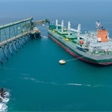
At Punta Lobitos, Antamina’s mine-to-port supply chain reaches the Pacific through a pipeline from the Andes.
- Annual TEU: N/A.
- Main exports: Copper and zinc concentrates from the Antamina mine.
- Mine-to-port connection: A 304-kilometre pipeline carries mineral concentrate as slurry to the terminal in Huarmey.
- Terminal management: Compañía Minera Antamina S.A.
San Nicolás Shougang Terminal (PESNX)
Location: San Nicolás Bay, Marcona district, Nazca province, Ica, Peru.
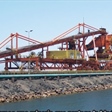
San Nicolás is the shipping outlet for iron ore products from Shougang’s Marcona mining and processing complex.
- Annual TEU: N/A.
- Main function: Loading iron ore products for export from a specialized industrial berth.
- Port-area distinction: The planned public-use San Juan de Marcona terminal has its own concession and project approvals.
- Terminal management: Shougang Hierro Perú S.A.A.
Perú LNG Melchorita Terminal (PEPMC)
Location: Panamericana Sur, Km 163, Pampa Melchorita, San Vicente de Cañete district, Cañete province, Lima region, Peru.
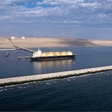
Melchorita is the marine loading point for liquefied natural gas from the adjacent processing plant.
- Annual TEU: N/A.
- Main export: Liquefied natural gas (LNG), loaded onto dedicated LNG carriers.
- Marine access: A 1.3-kilometre pier links the shore to the loading berth. A breakwater shelters the marine facilities.
- Terminal management: PERU LNG S.R.L.
Port of Iquitos, ENAPU Terminal (PEIQT)
Address: Av. La Marina 1338, Punchana district, Maynas province, Loreto, Peru.
Iquitos is an inland river gateway for Loreto, linking the city with smaller Amazonian communities and other Peruvian river terminals.

- Annual TEU: N/A.
- Main functions: General cargo, river freight, and passenger services. APN lists cargo and passenger facilities within the public port.
- River connections: The Ucayali route reaches Pucallpa. The Marañón and Huallaga system connects Iquitos with Yurimaguas.
- Terminal management: Empresa Nacional de Puertos S.A. (ENAPU).
Port of Puno, Public Pier (PEPUN)
Location: Lake Titicaca waterfront, via Av. Titicaca at Av. Costanera, Puno district and province, Puno, Peru.
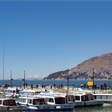
On Lake Titicaca, Puno’s public pier serves passenger departures and local lake transport in Peru’s southern highlands.
- Annual TEU: N/A.
- Main functions: Passenger embarkation and local lake transport. The APN inventory also lists general cargo movements.
- Facility distinction: The APN inventory lists the public pier separately from the Ferrovías–Puno facility.
- Public port management: Gobierno Regional de Puno.
Frequently Asked Questions About Ports in Peru
What Are the Major Shipping Ports in Peru?
Peru’s major shipping ports include Callao, Chancay, Paita, Pisco, Matarani, Ilo, and Salaverry.
Usually, Callao is the most commonly used port for shipments from China to Peru. It’s Peru’s largest container gateway and one of your first choices. Another option is Chancay, which has direct shipping routes between China and Peru. If your cargo is destined for northern Peru, you can also consider Paita because, as you know, inland delivery costs are also an important part of your total logistics costs.